
“But I saw our world
and your world
and another.”
— ("Malinche" by Carmen Tafolla)
Esta entrevista fue realizada el pasado diciembre de 2020, para el programa digital Transborder, conducido por Benjamín Anaya. Escúchala aquí mismo, en su versión completa.
Interpreting Old California
It all begins with an idea. Maybe you want to launch a business. Maybe you want to turn a hobby into something more. Or maybe you have a creative project to share with the world. Whatever it is, the way you tell your story online can make all the difference.
Book Arts
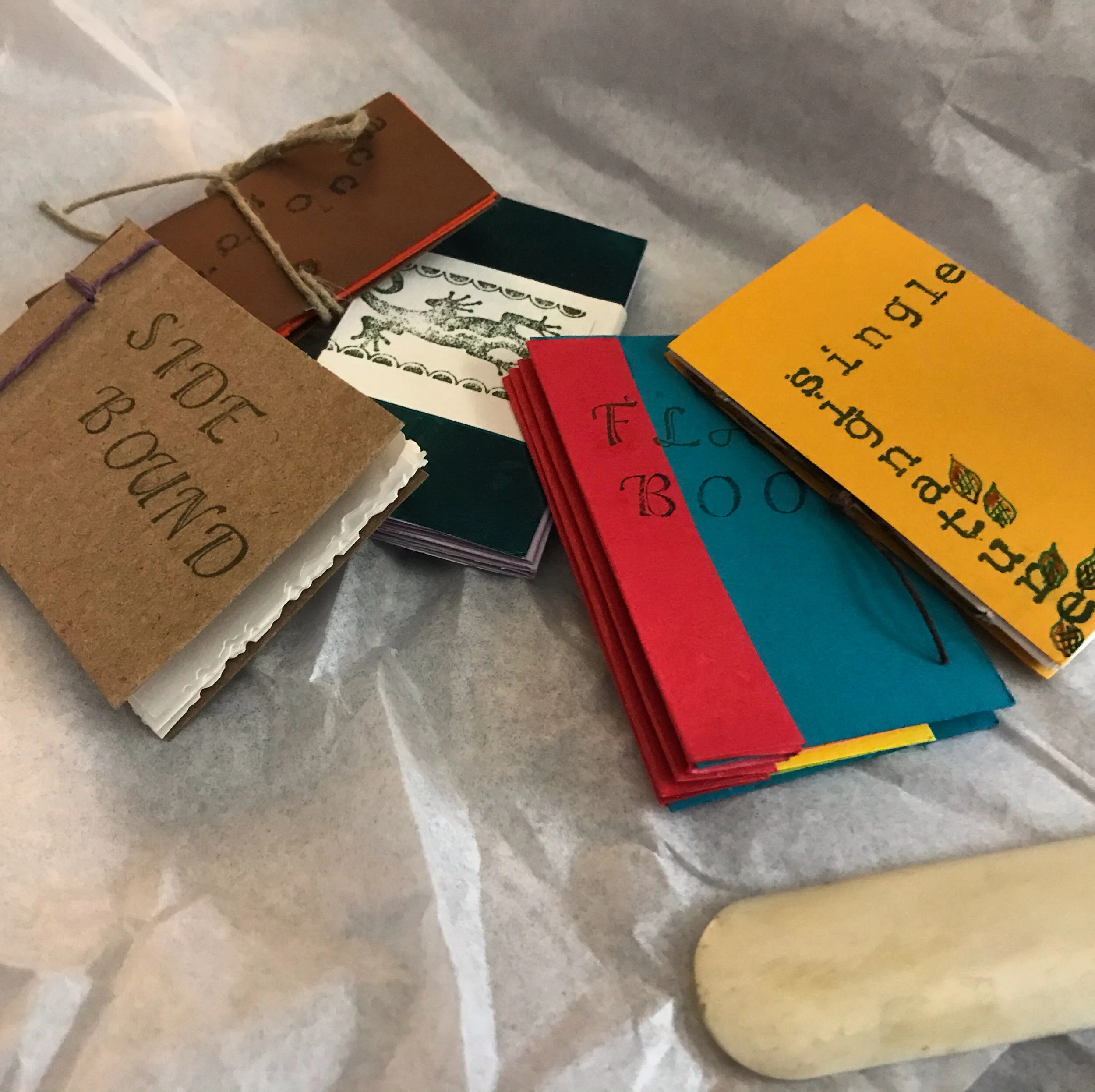
Hay una parte del cerebro que se conecta directamente con nuestras manos. Si las dejas hacer ellas trazan, cortan, tallan, moldean, imprimen./ Book Arts. Making books with your hands is the most therapeutic of arts. Books are the medium to tell stories. The minute you put the pages together and select the design, the binding style, the covers it is because you already have a story to tell.
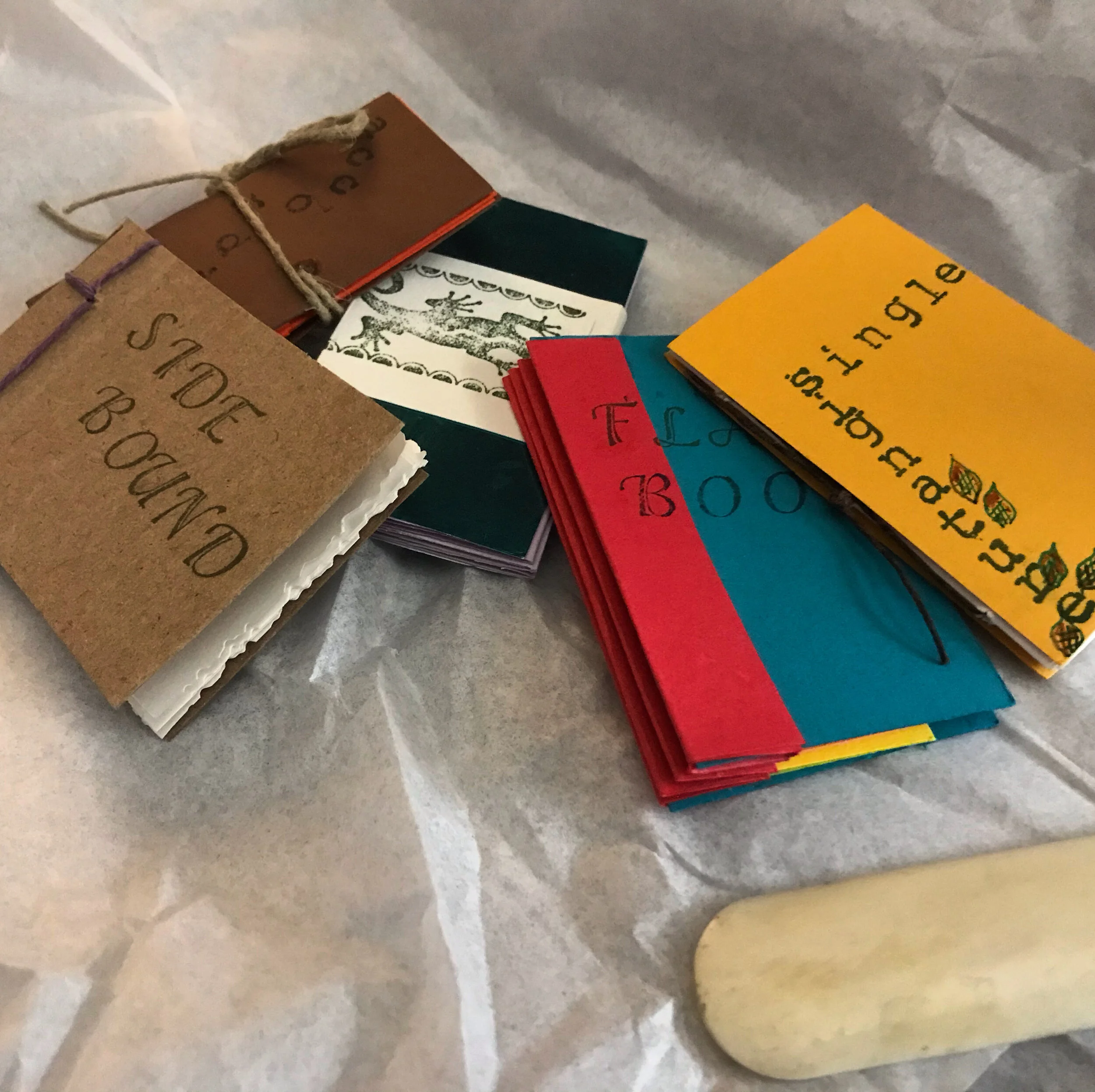
Miniature books to demonstrate the different structures to build.
A book is a miracle of meaning and creativity. I make books from scratch, that is from fiber to page, and to the design of pages, covers and binding. Part two entails defining what to fill your book with. What story do you want to tell? Have you heard the medium is the story? Books are sophisticated containers. What’s in them? Our memories, our stories.Wish You Were Here - The Postcard
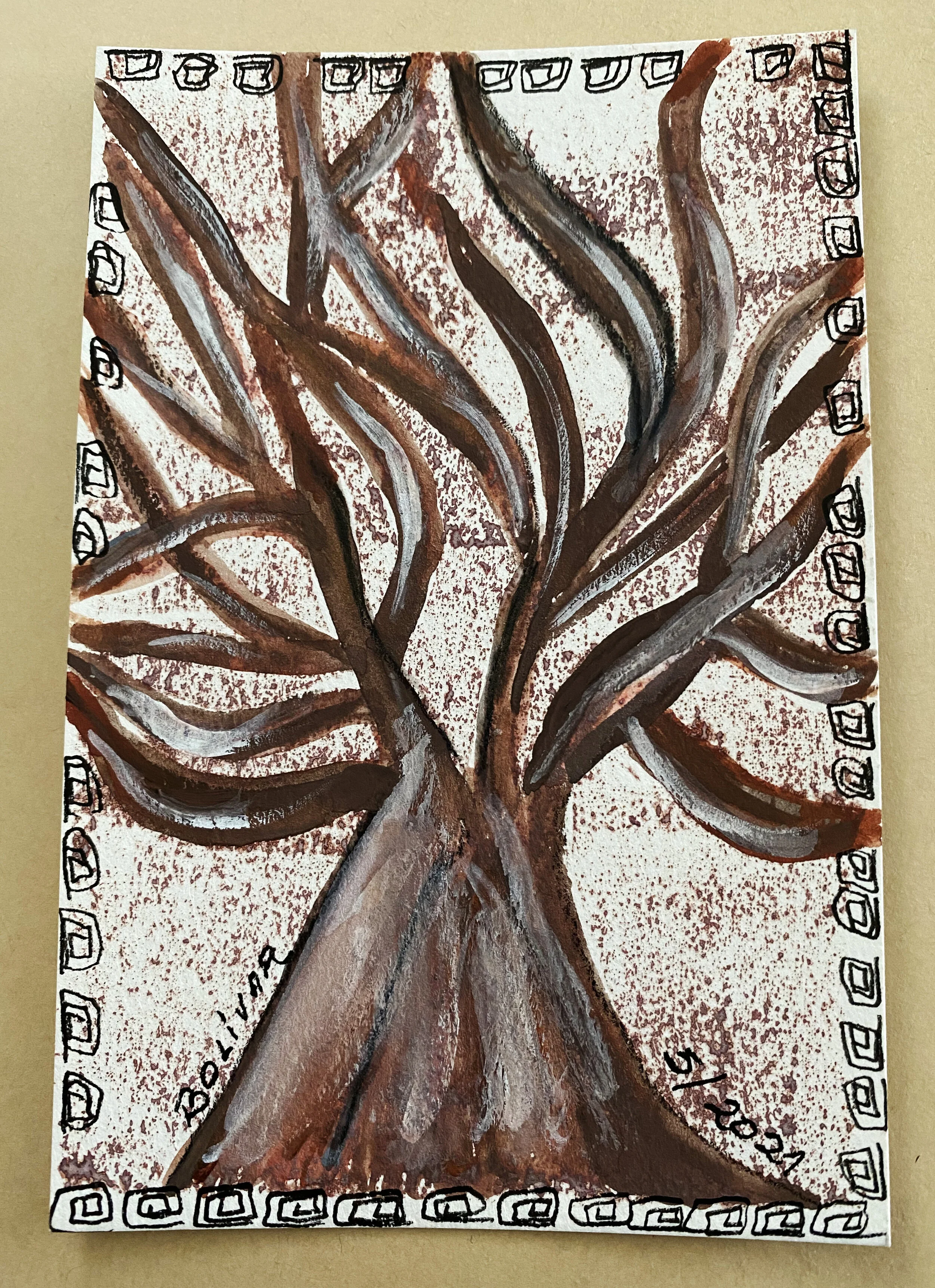
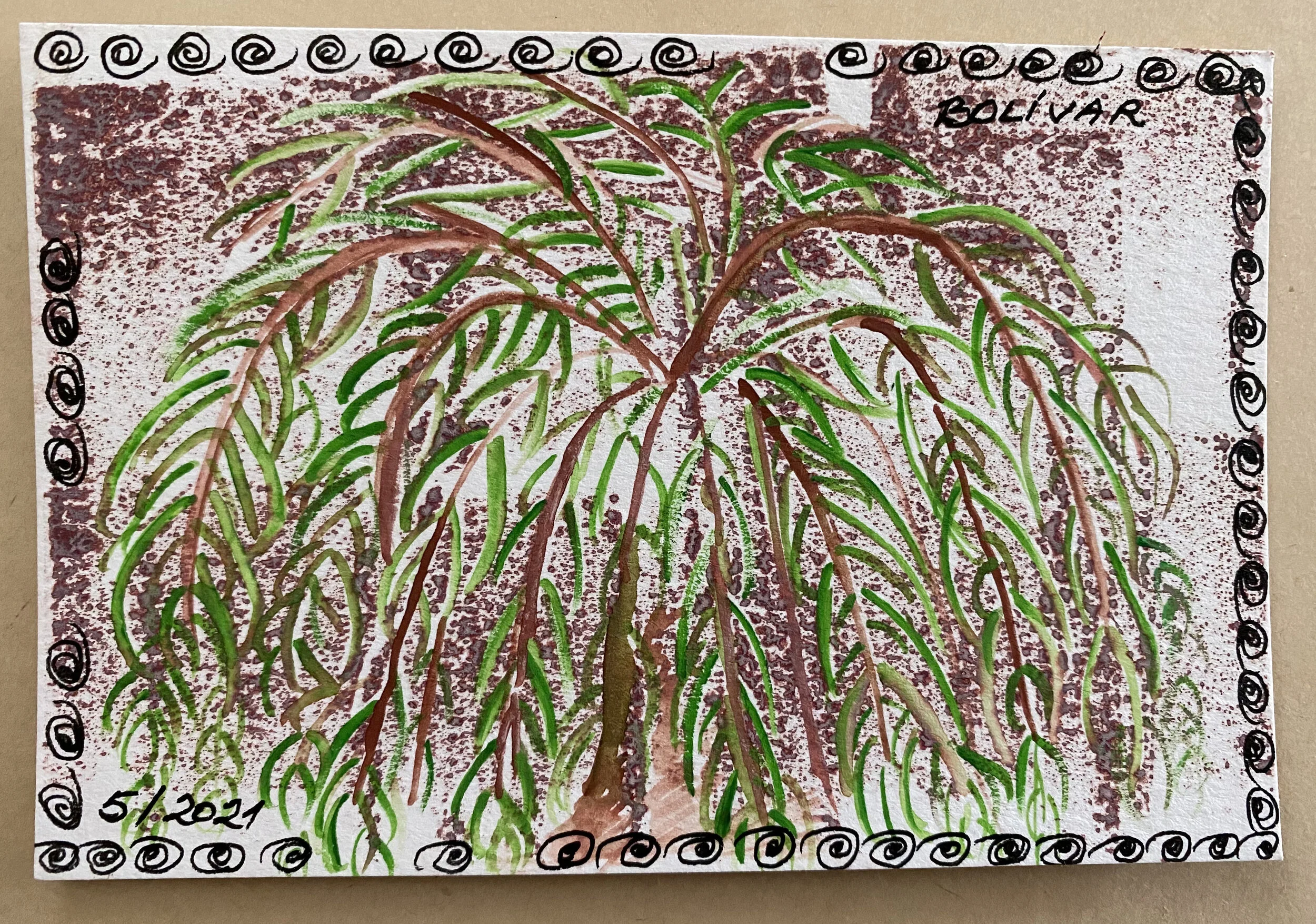
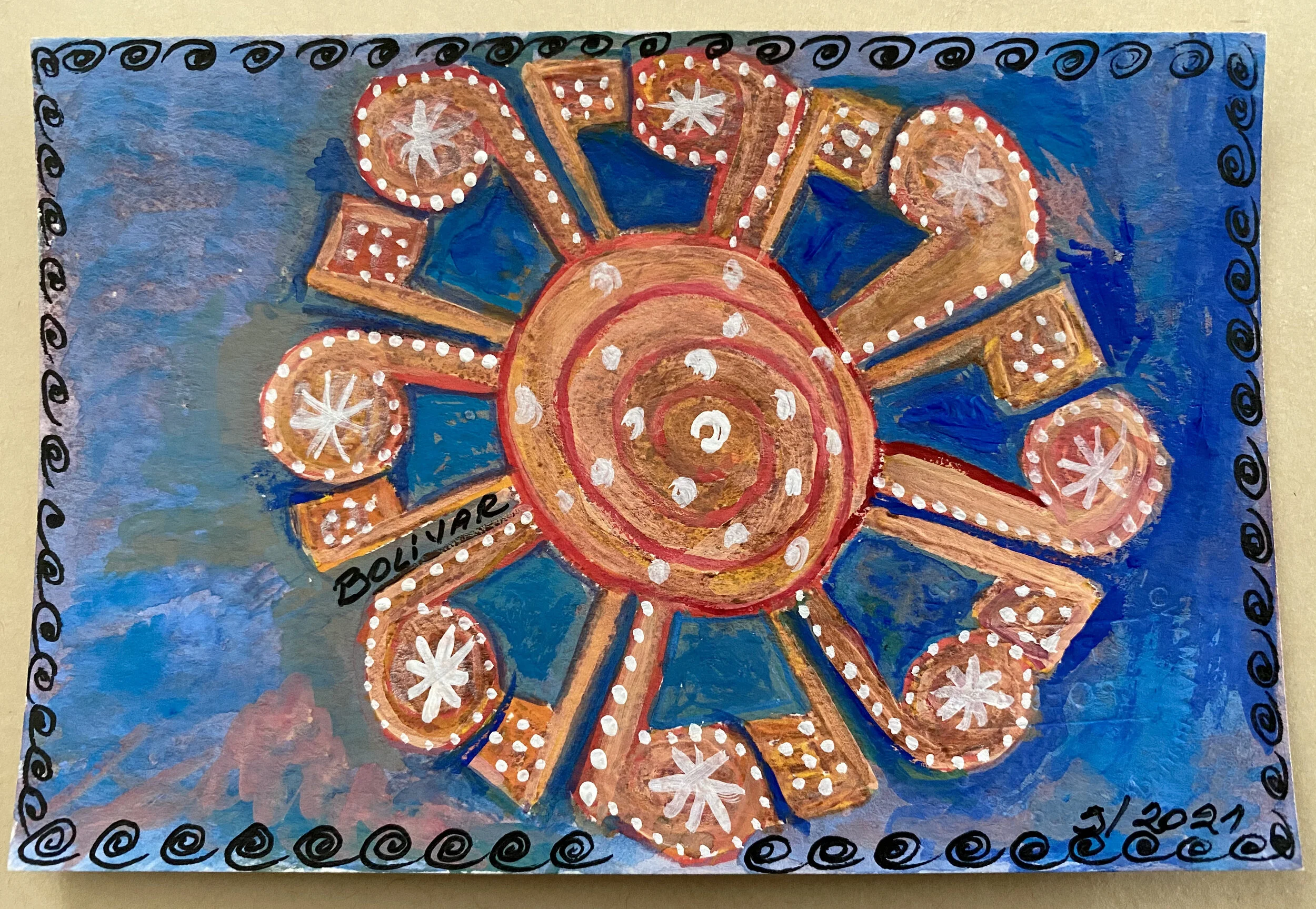
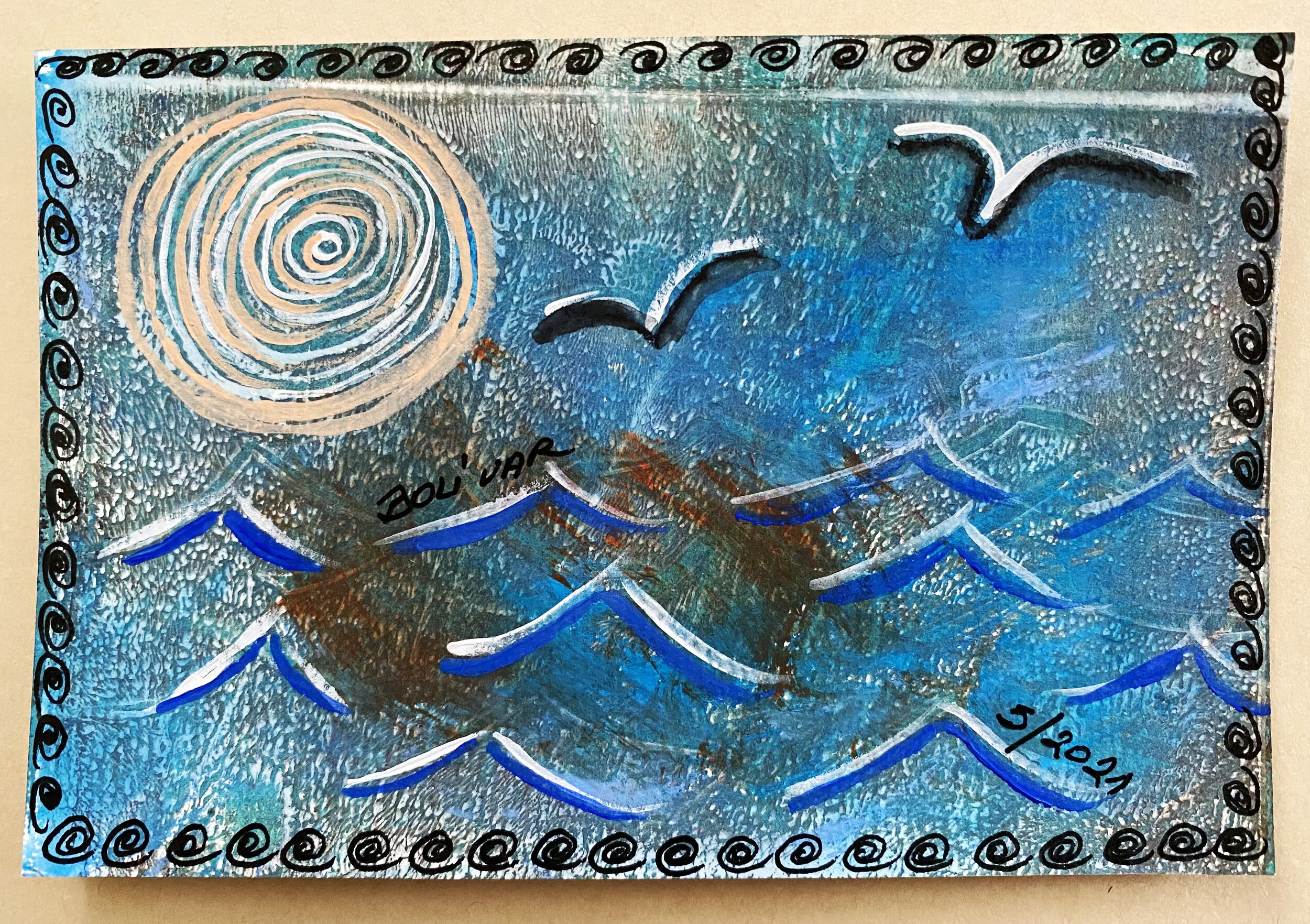
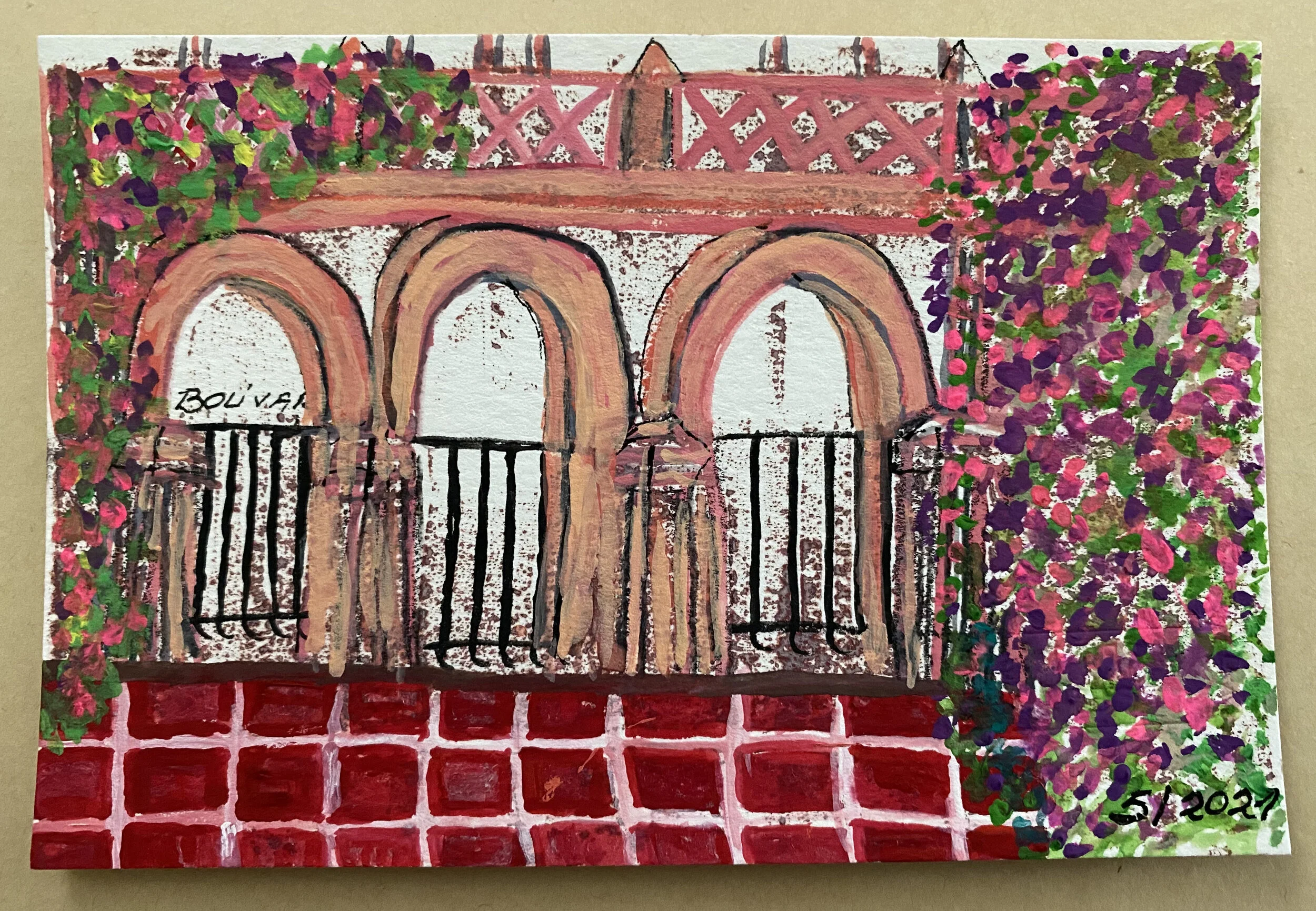
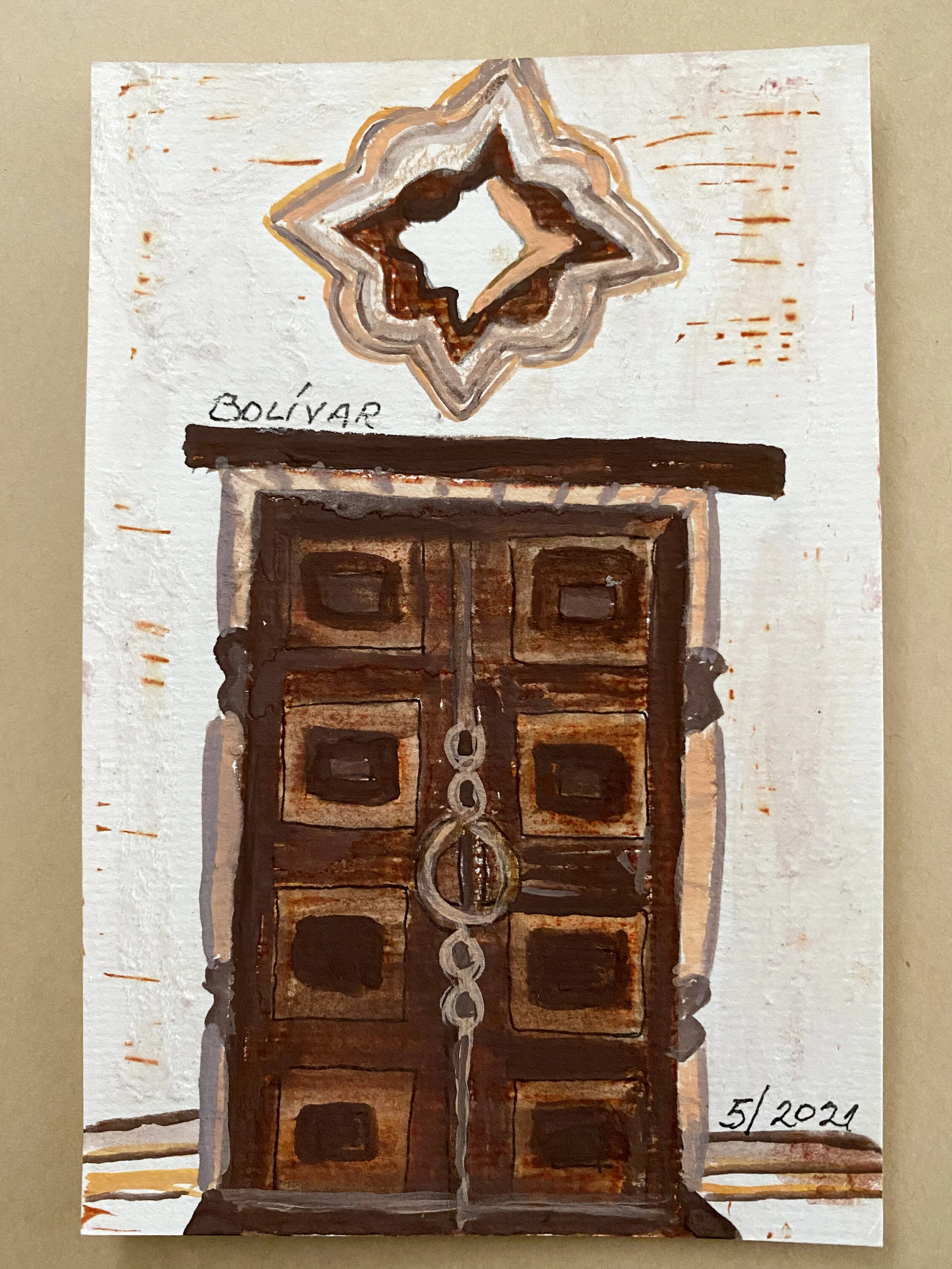
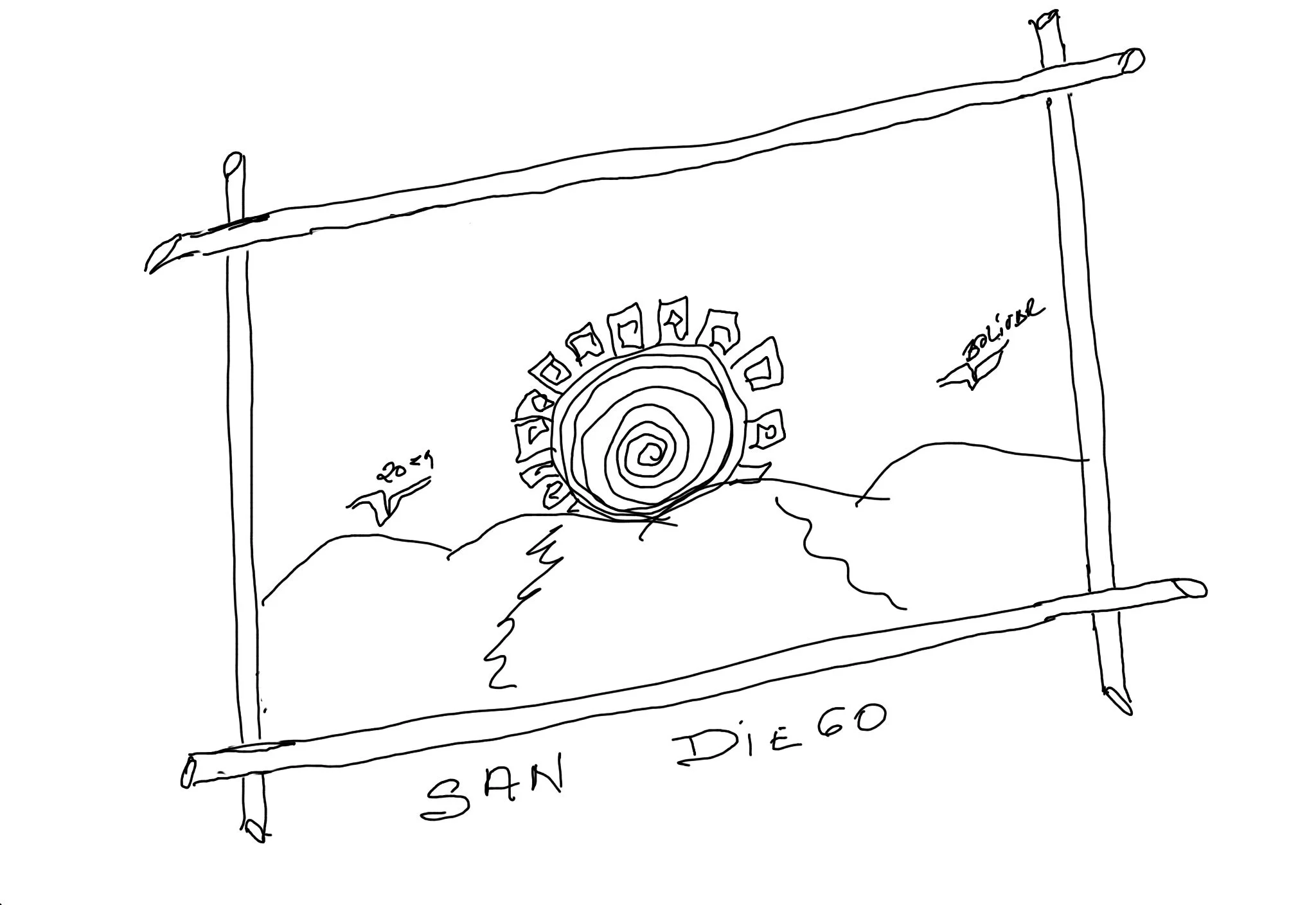
The project “Wish you were here” (WYWH) was possible thanks to the stay home orders that brought us all to a new form of socialization via Zoom. WYWH involved seven organizations devoted to book arts and paper and print related arts, to include Bay Area Book Artists, New England Book Artists, Santa Fe Book Arts Group, North Redwoods Book Arts Guild, Puget Sound Book Artists, PaperWorks, and San Diego Book Arts.. Through carefully organized phases, we created and swaped postcards in groups of 16 participants each. I was in two groups, and I created 16 original postcards made of hand carved prints over ink oxide, enhanced with gouache. My theme was what you would see if you were in La Jolla, my coastal community. I depicted the flora, the architecture, and, of course, the Pacific. Here are the postcards:





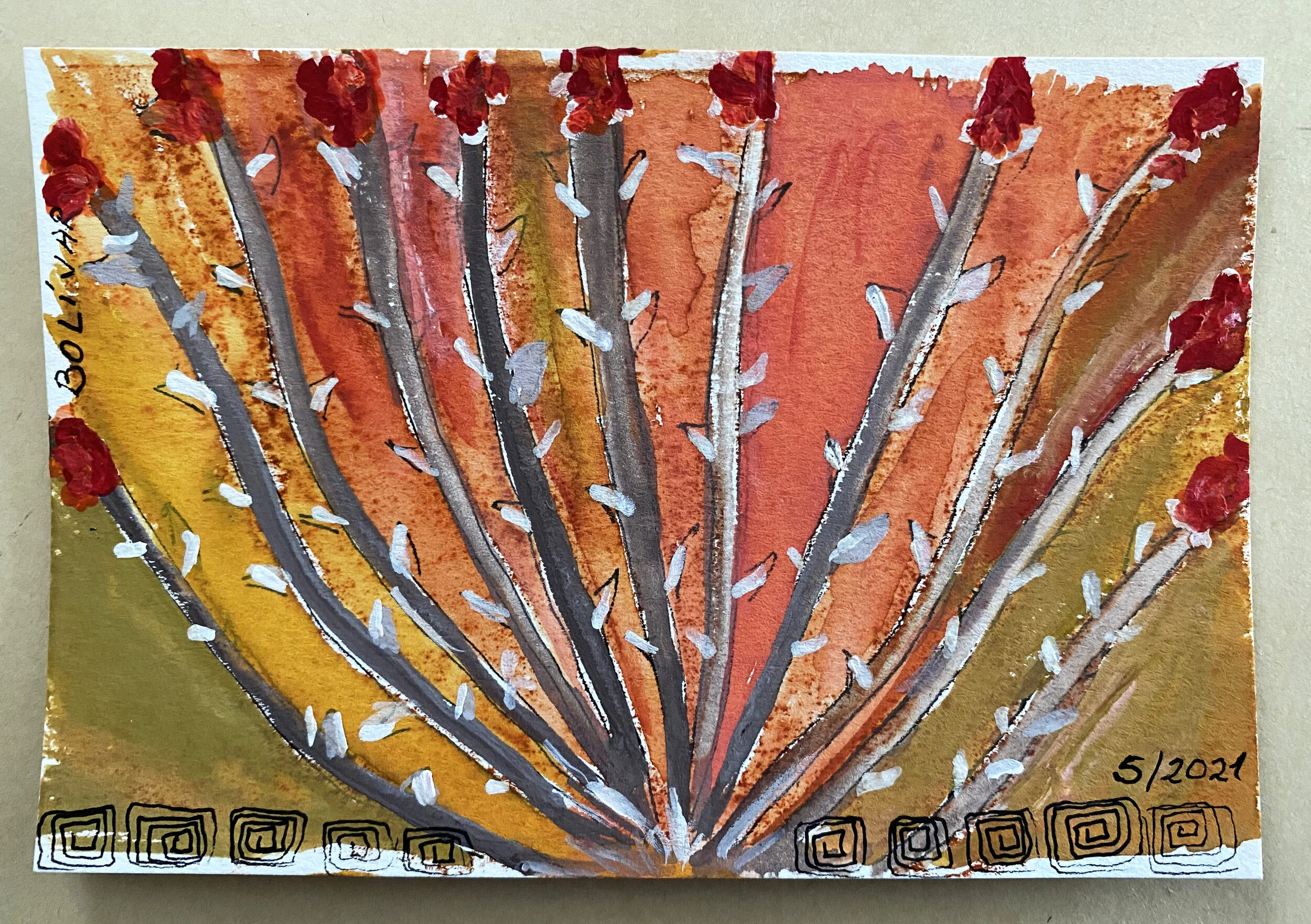


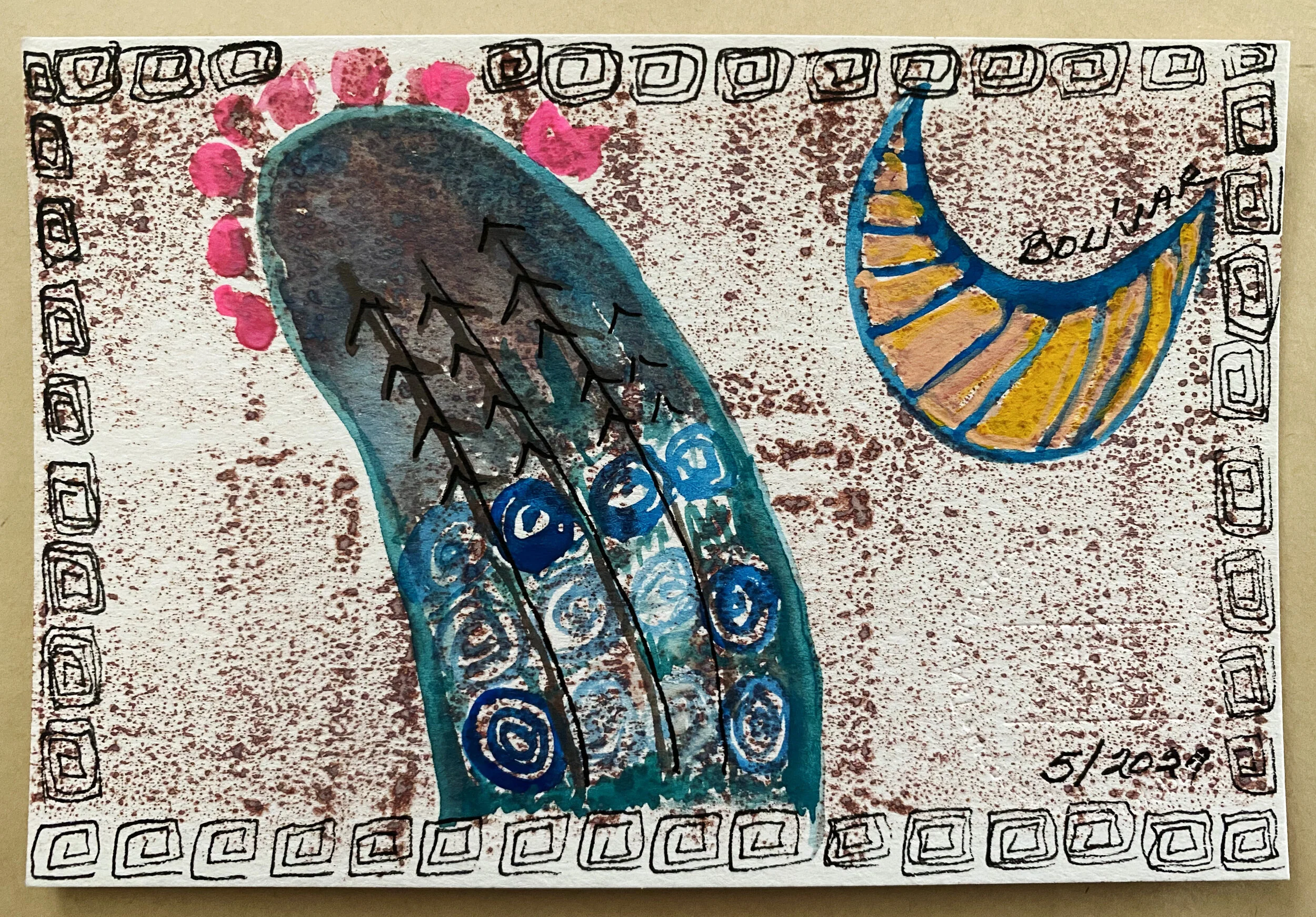


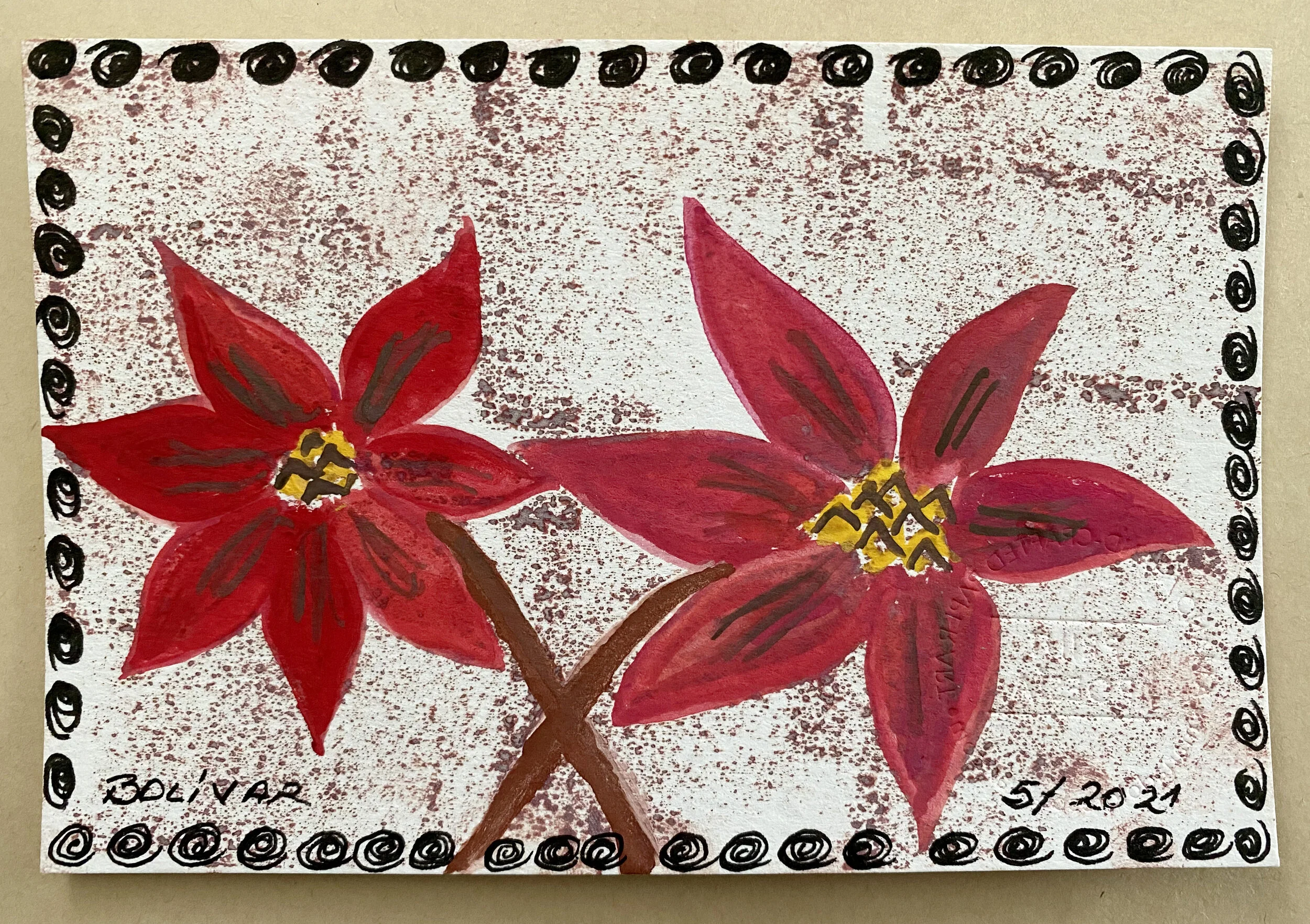

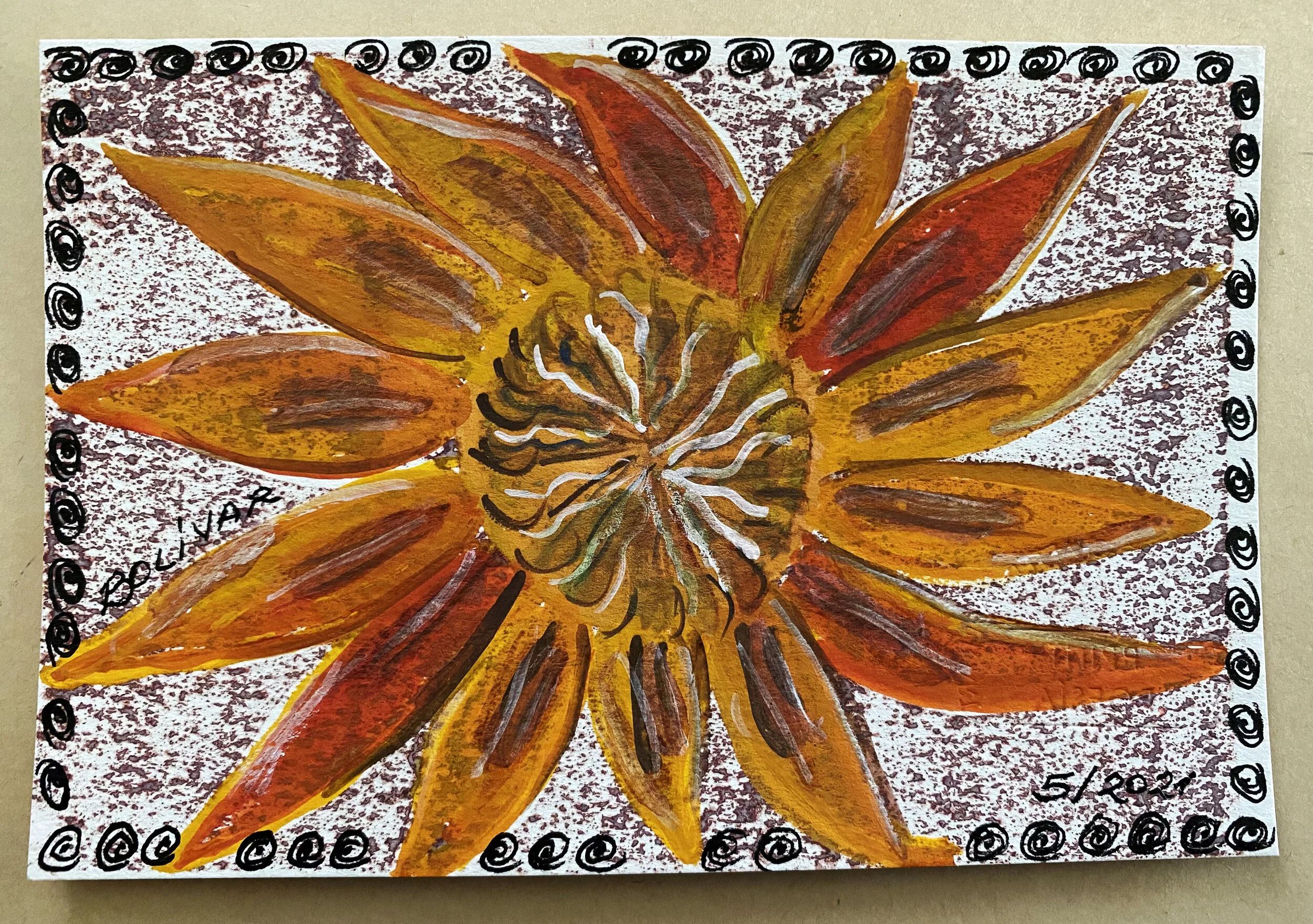





Wish You Were Here - The Books
As this wonderful assignment evolved, I was in charge of creating two books, for the two teams I signed up to participate with, Group 2 and Group 4. My team mates were really inspiring, meeting online, conducting various workshops, gathering generously so we could all learn from each other and round up our assignment from the postcard swap to the creation of a book with the postcards received.
Summing up the two phases of the project and looking back at all the workshops I made available to me, joining San Diego Book Arts has been the best decision ever made in my life. I have found through my participation with this association many artists with whom to engage in meaningful dialogue and to grow in the field of Book Arts. Here are my contributions.


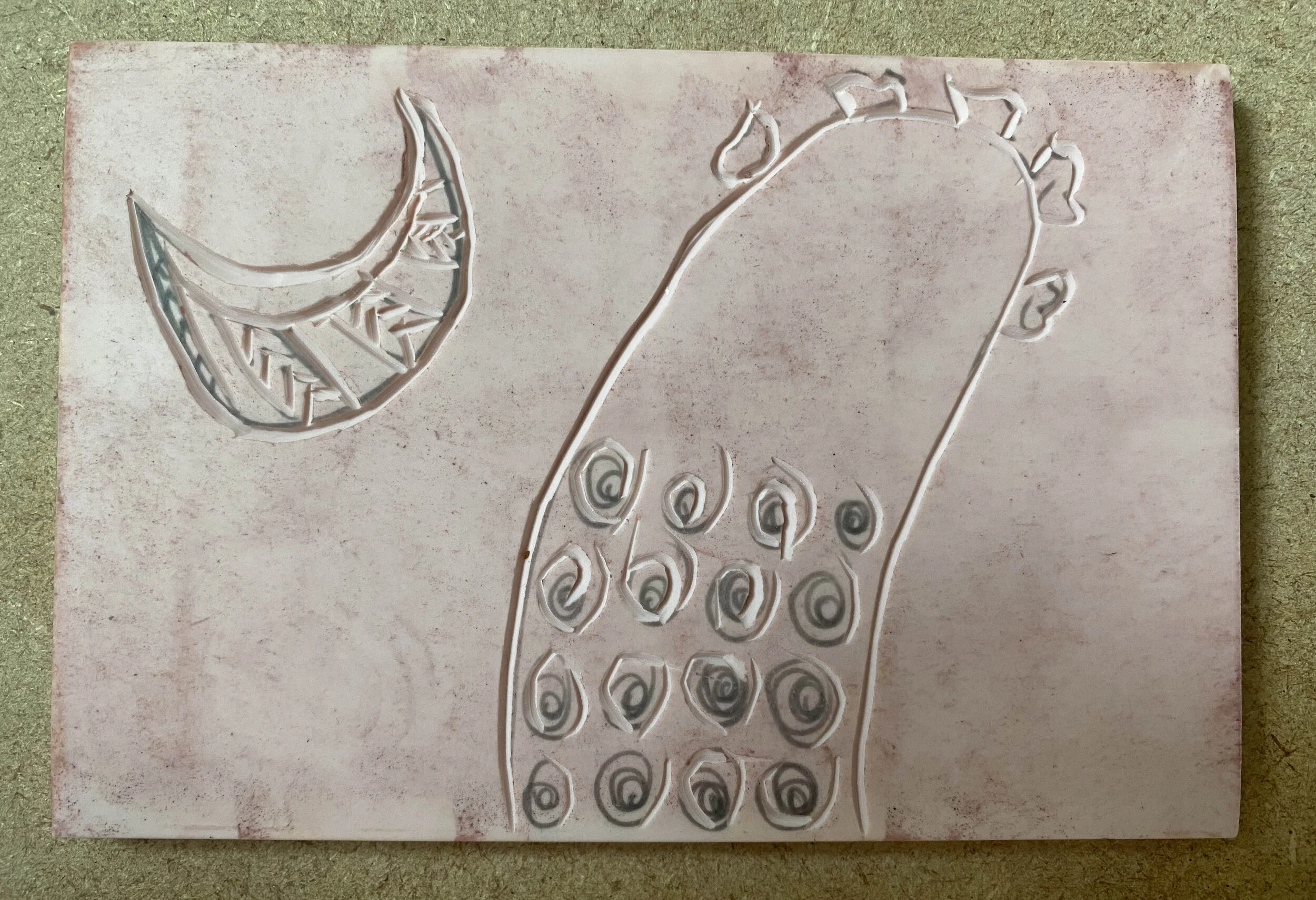
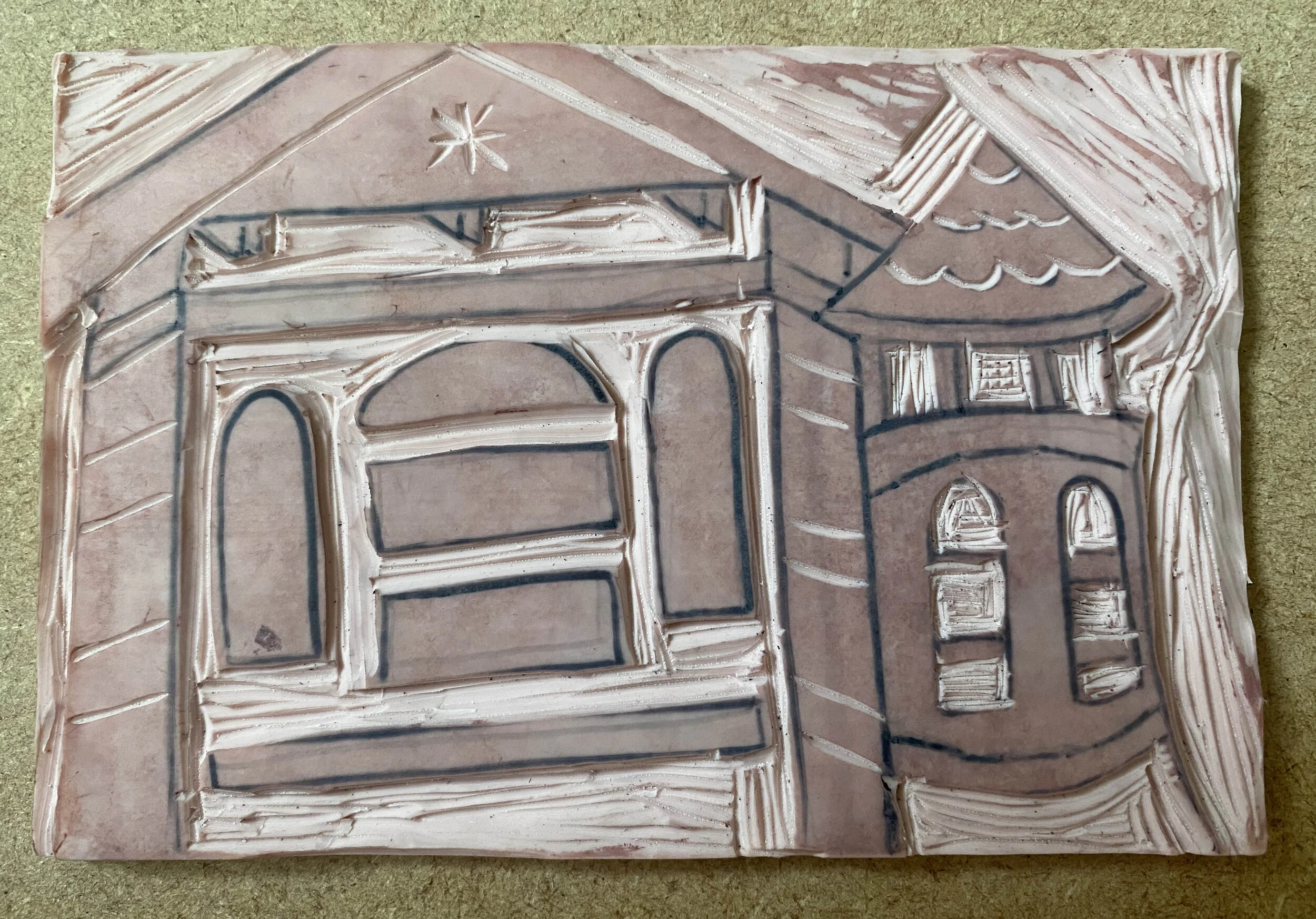
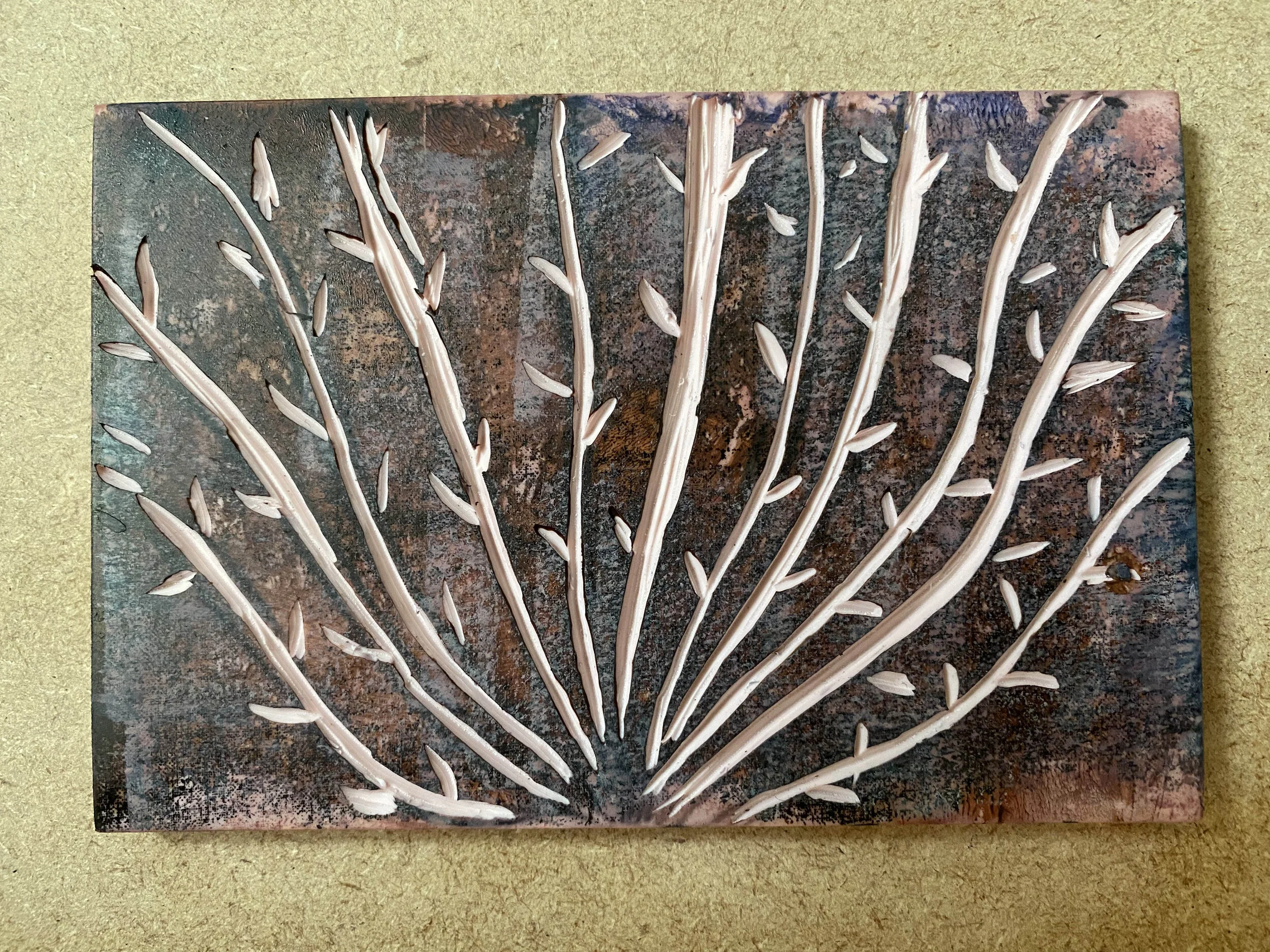
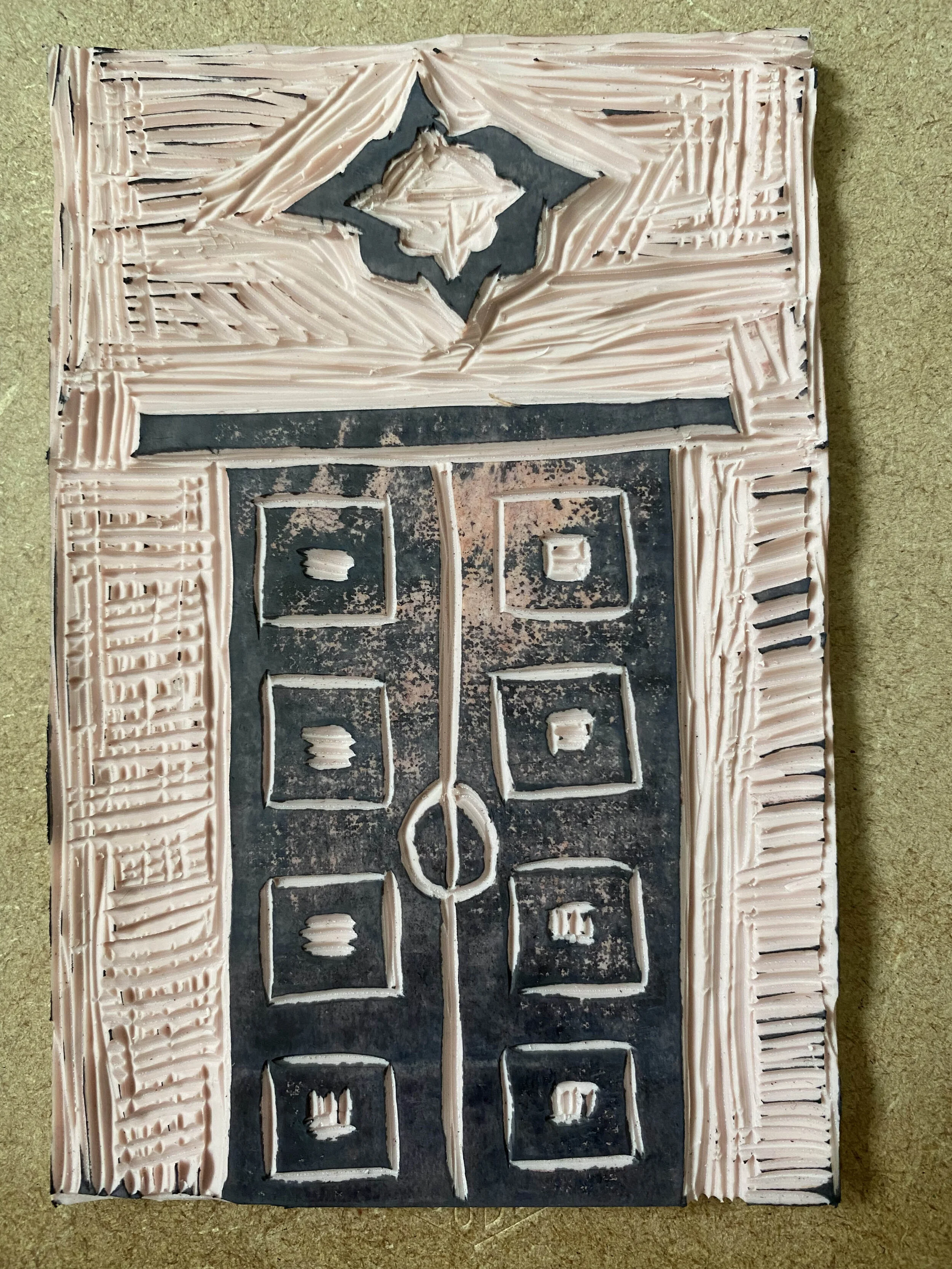
The carved stamps
To carve a stamp helps you use the same design or drawing more than one time. I love carving. It is a therapeutic way to create your own tool to reproduce an idea. Here are the stamps I created recently to do postcards.



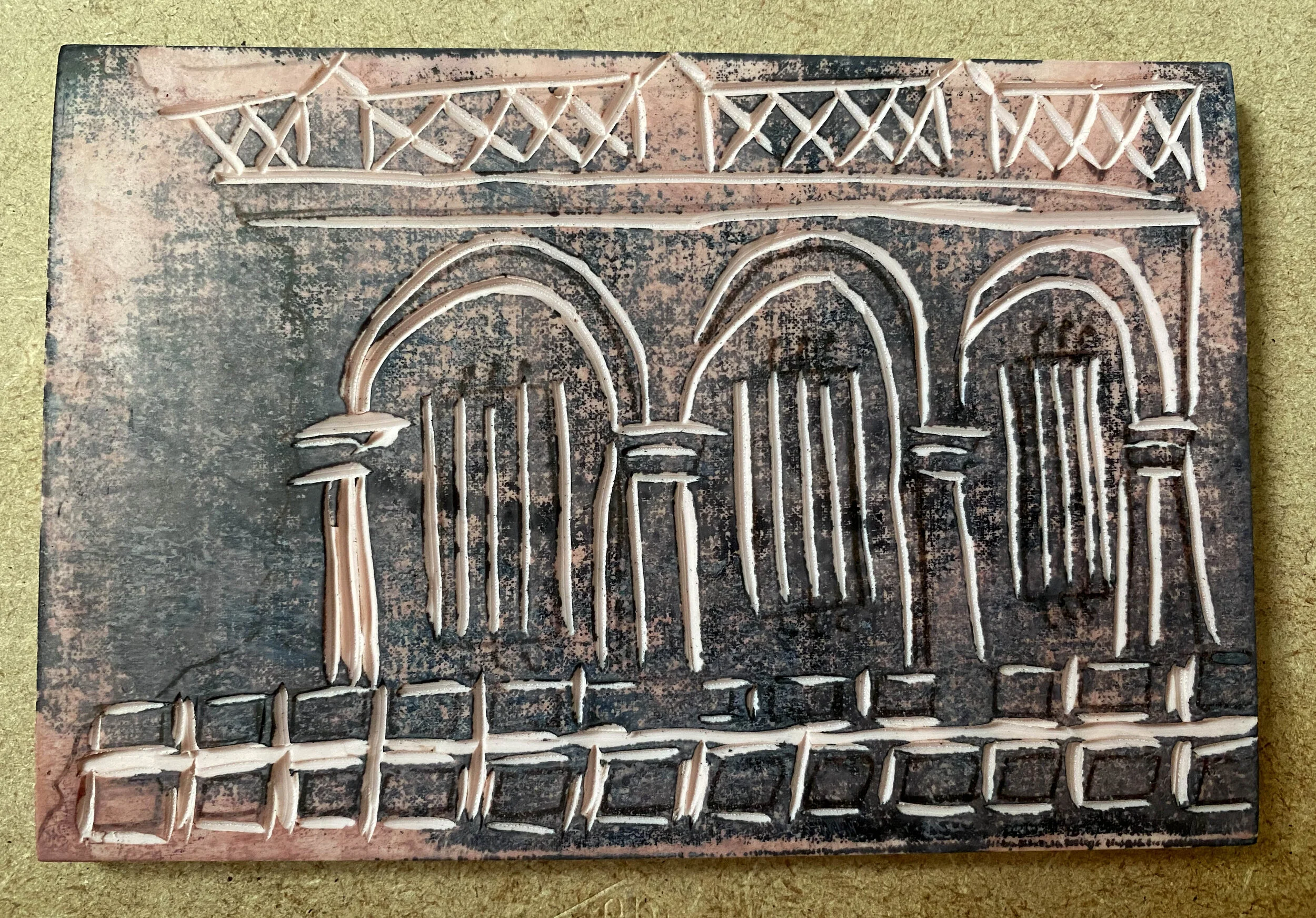
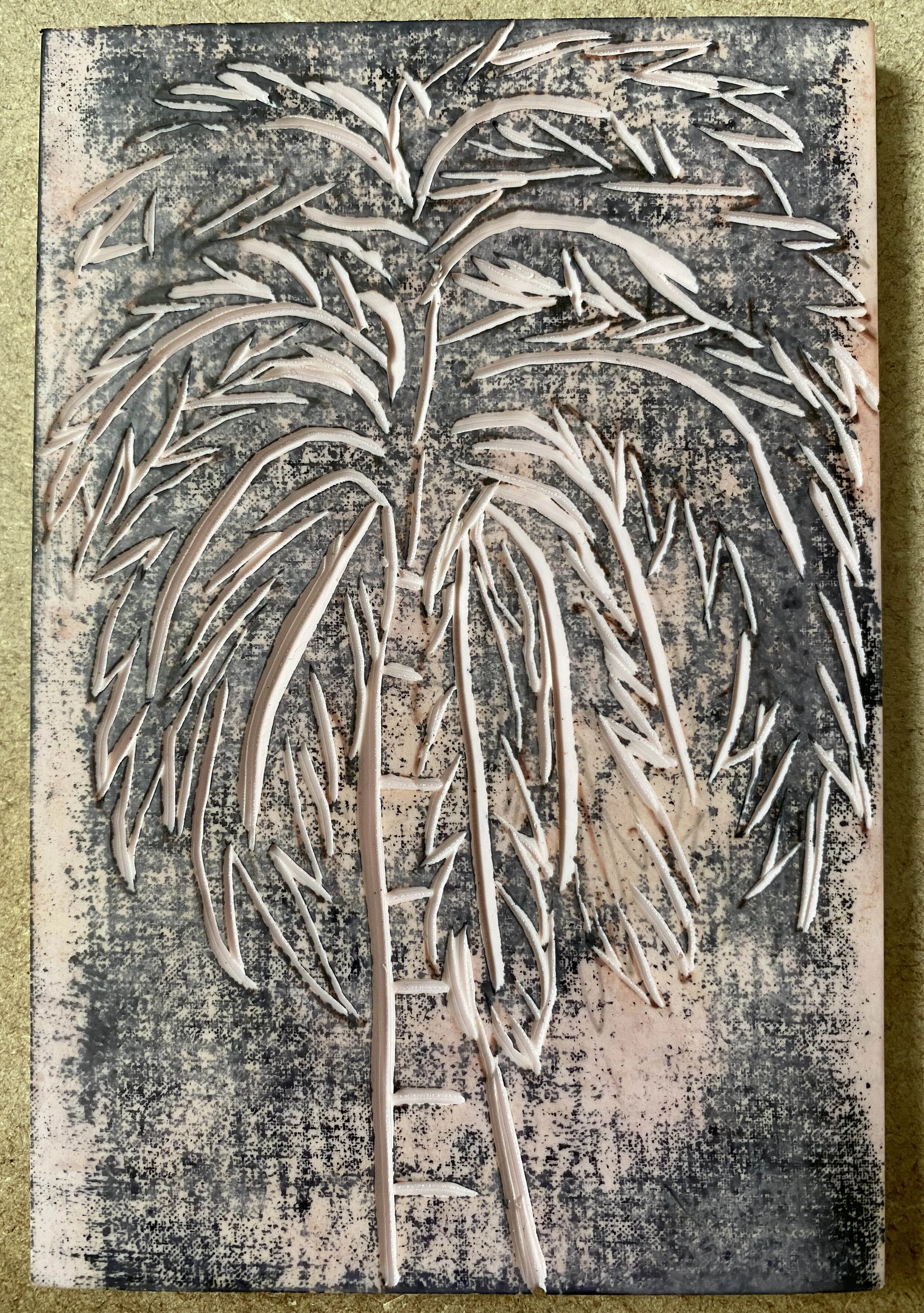


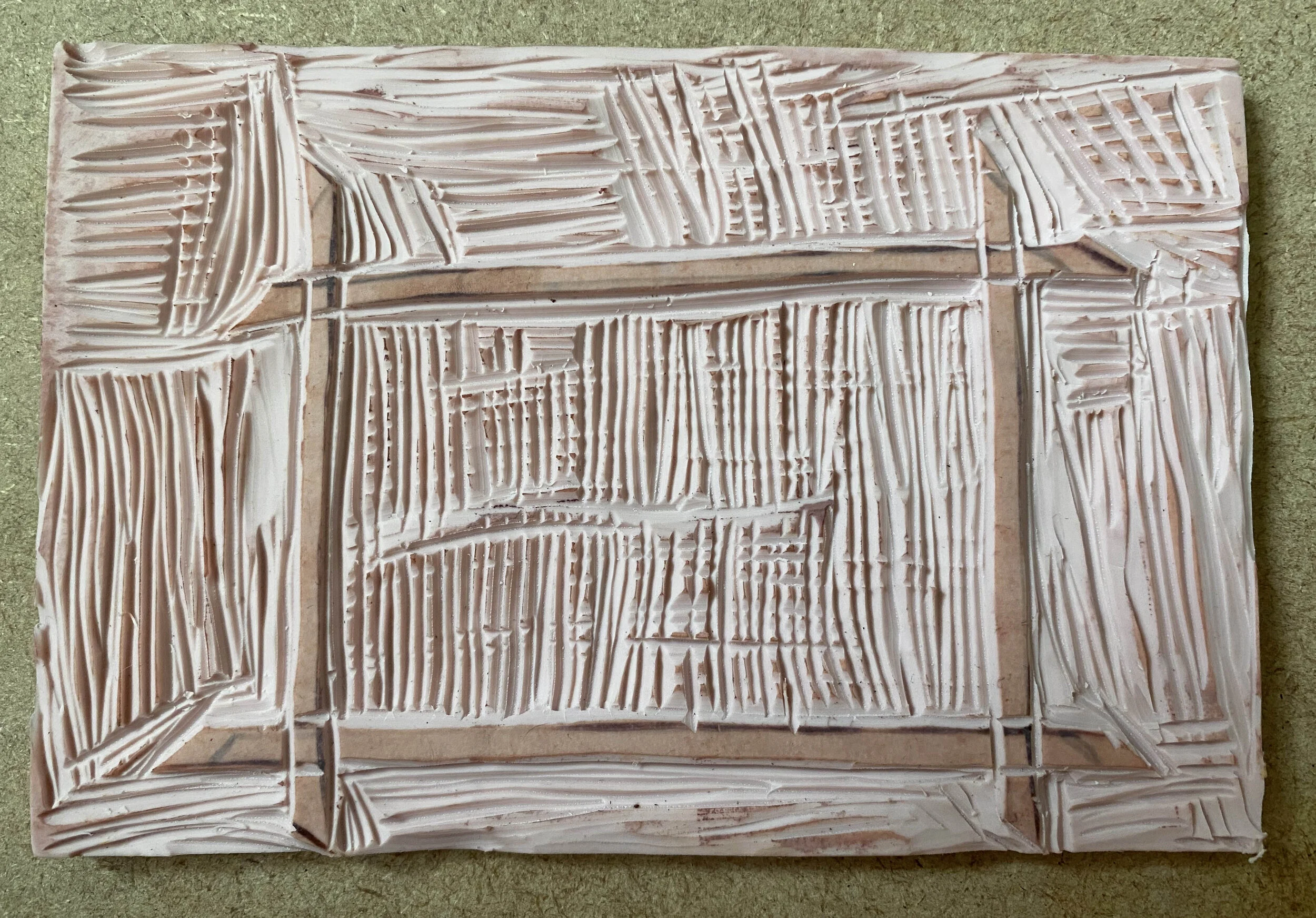
Crafting Histories - Craft Contemporary Museum of Los Angeles
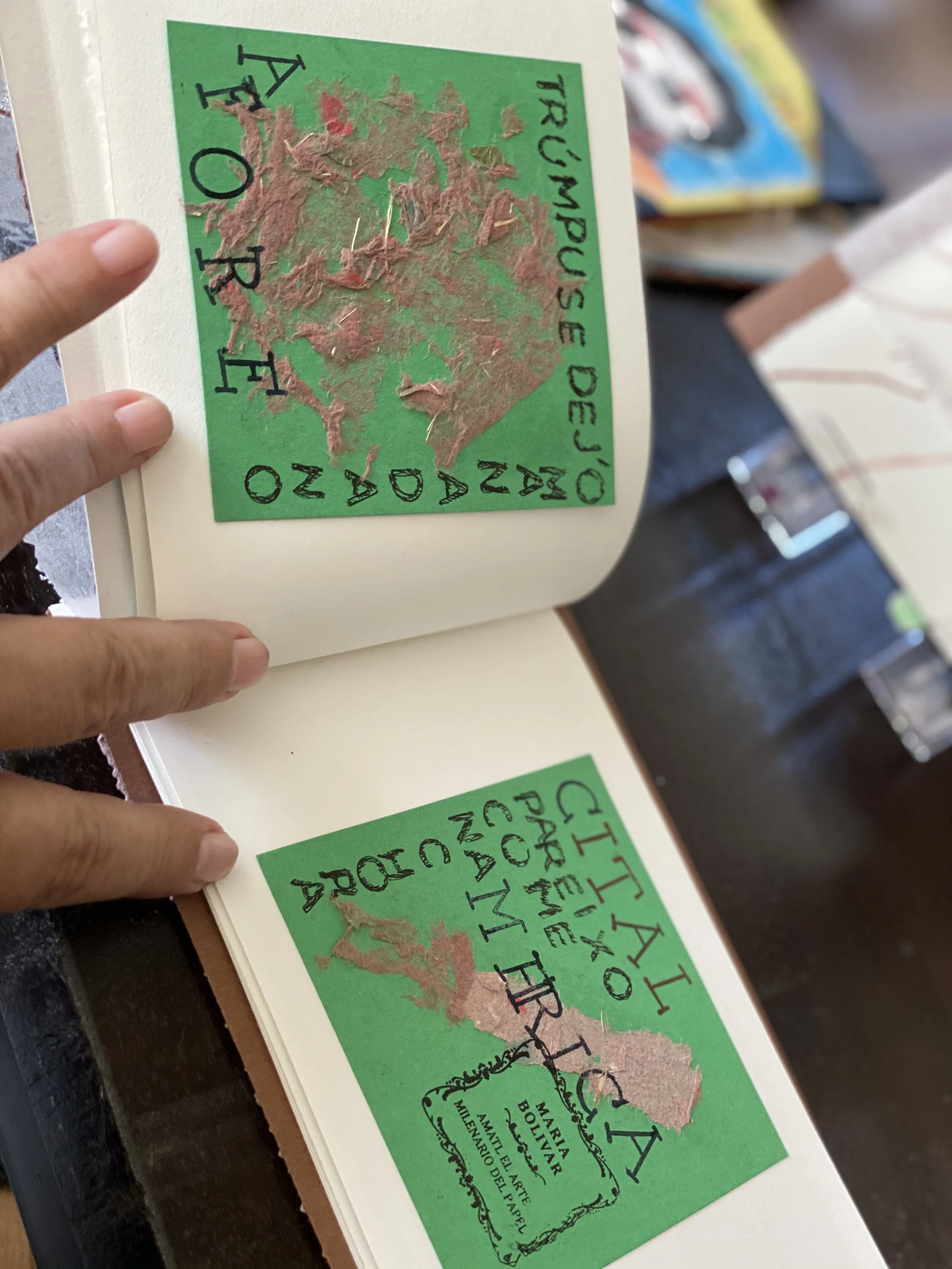
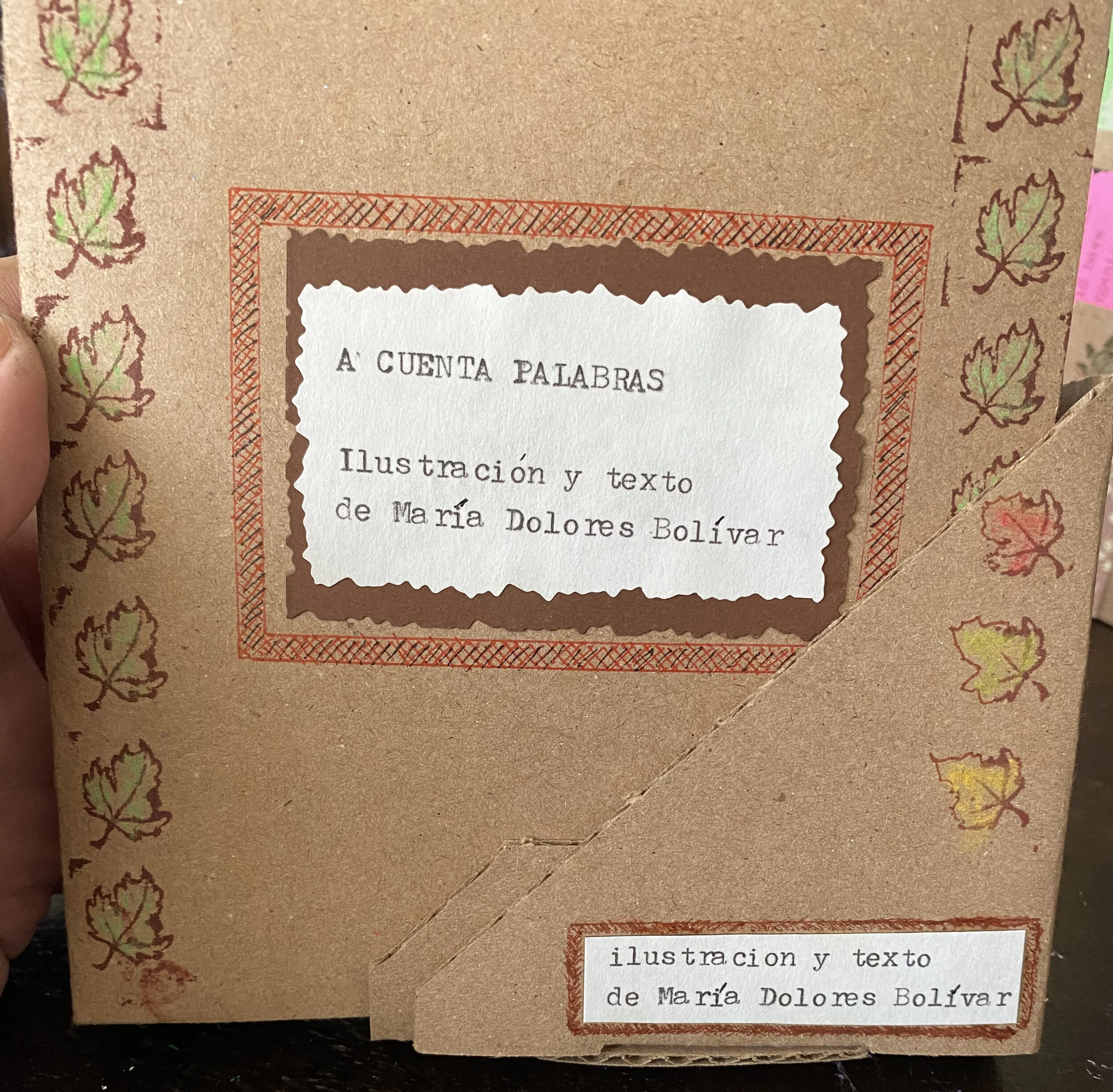
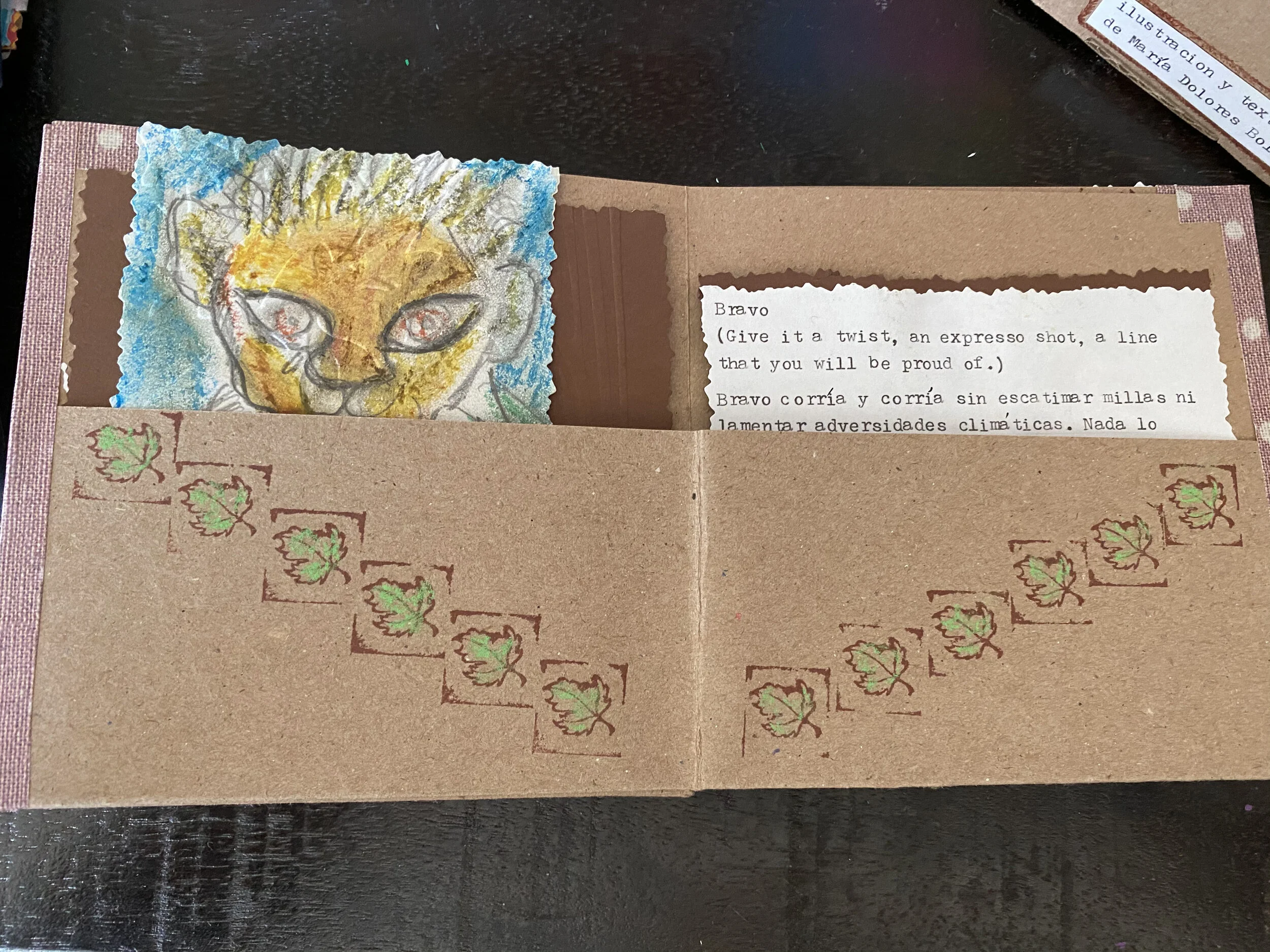
Crafting Histories was made possible by funding from Aroha Philanthropies. To me, as a participant, it was an opportunity to interact with other book artists while staying home during the Pandemic. This workshop focused on telling stories while using books as the medium. It was nice to share in this experience with valuable artists such as Penina Finger, Odilia Galvan, Jimmie Carole Fife, and Mitch Chen, among others. Their endless creativity was an inspiration to the group and to every individual in it. Here is a link to the page created by Craft Contermporary, and here some samples of my contributions.




Pride Mail Project - Fluxfest.net
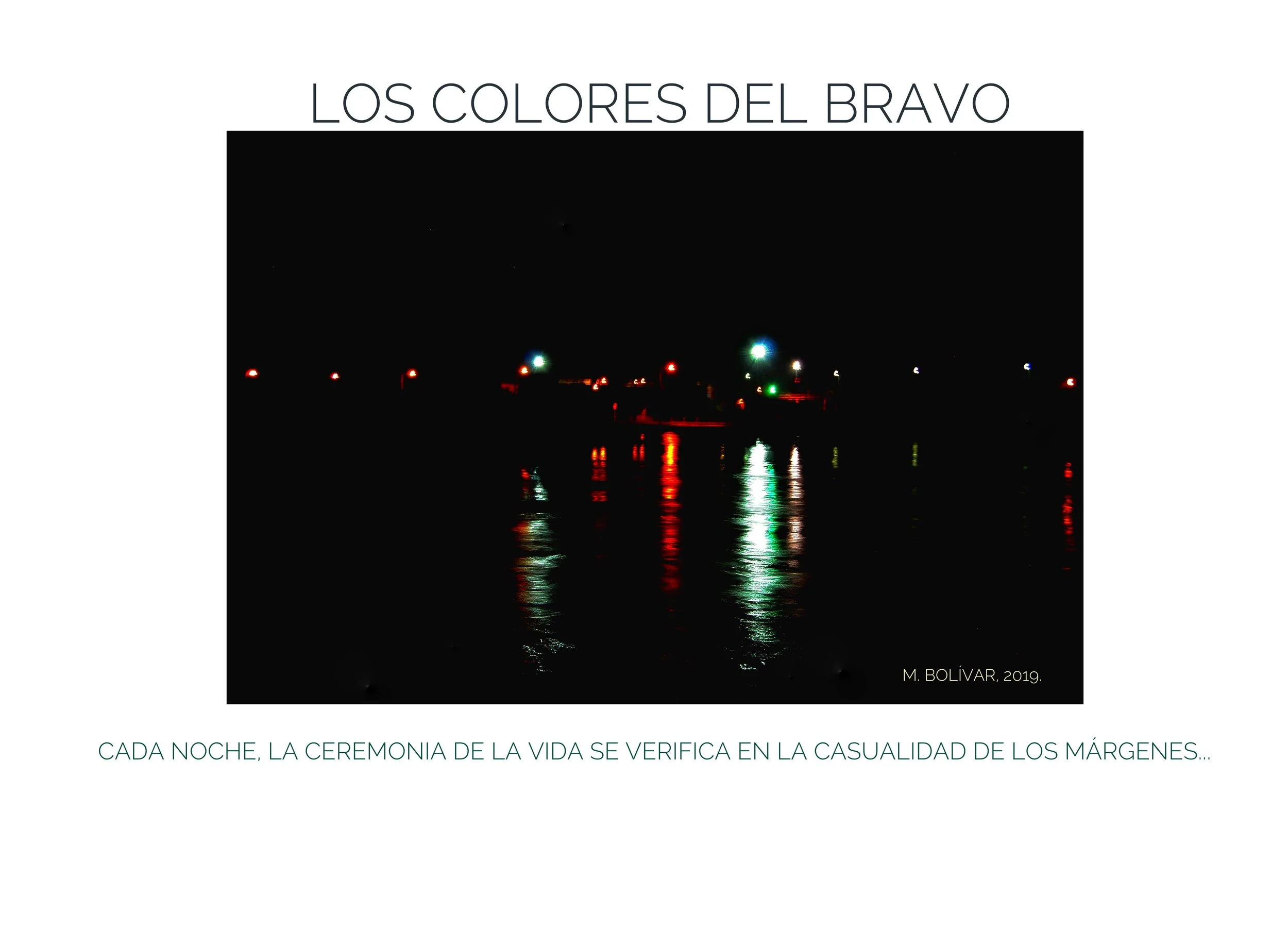
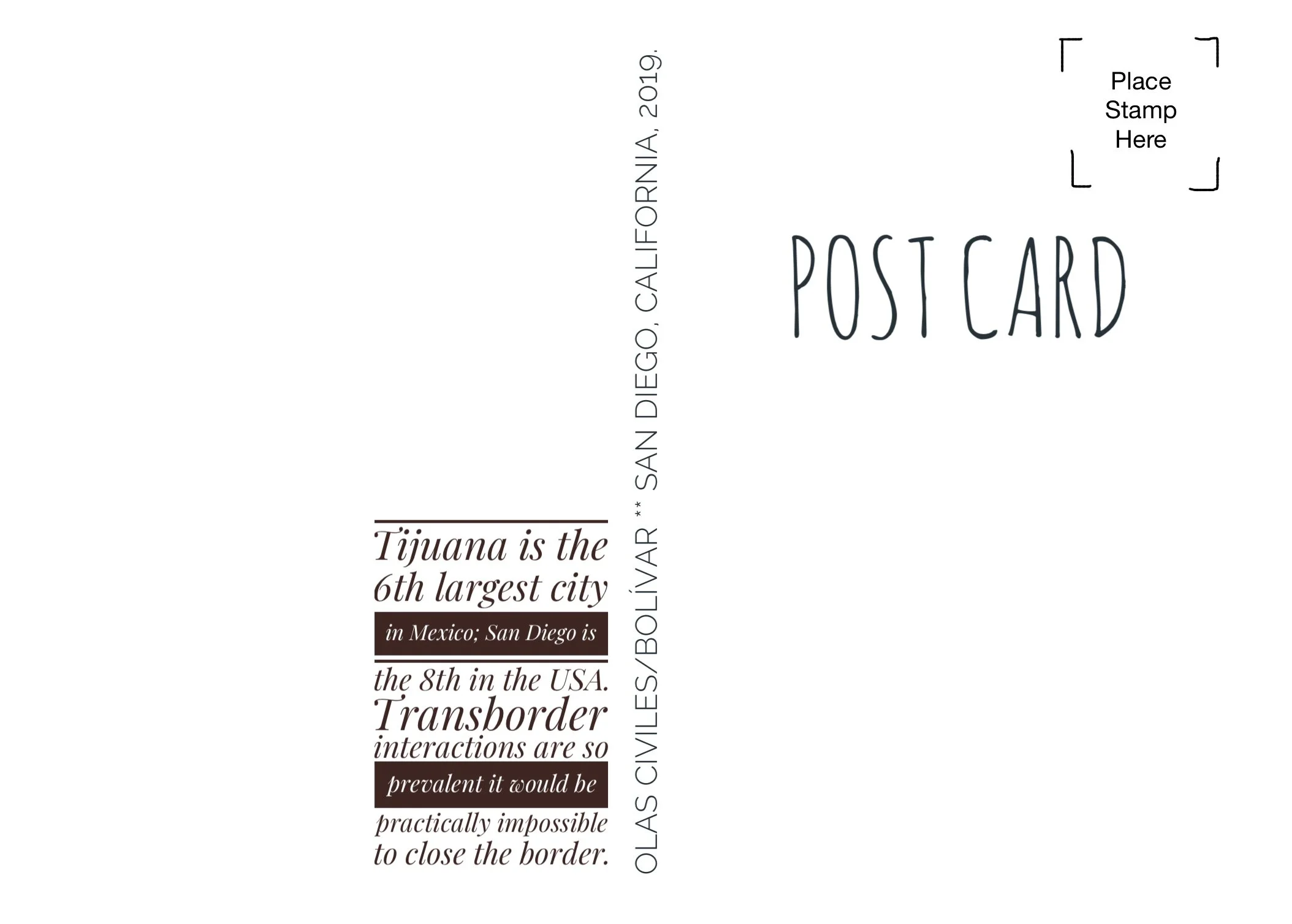
In 2019 I created a series of postcards based on the border and my visits to several border crossing points, from San Ysidro to Brownsville, and from 2010-2011. I completed the series to participate in the exhibition Fluxfest.net where the theme was “diversity.”. These postcards try to depict the confluence of gender, nation and diversity. I used photography and captions to go from vantage point to the definition of self and testimony. Part of this work focuses on the self through self portraiture and humor. Follow this link to the Fluxusfest.net And here are my postcards.


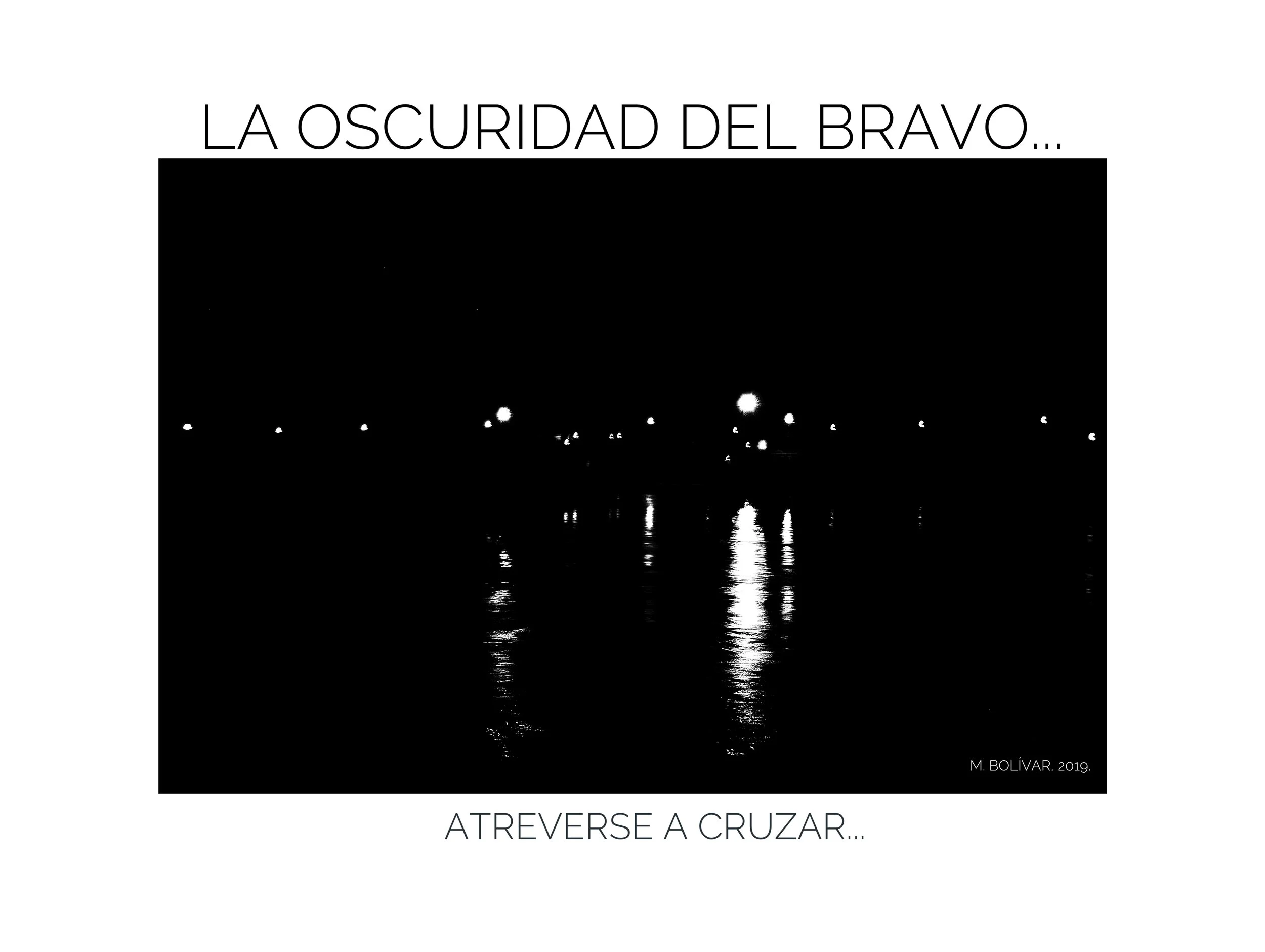


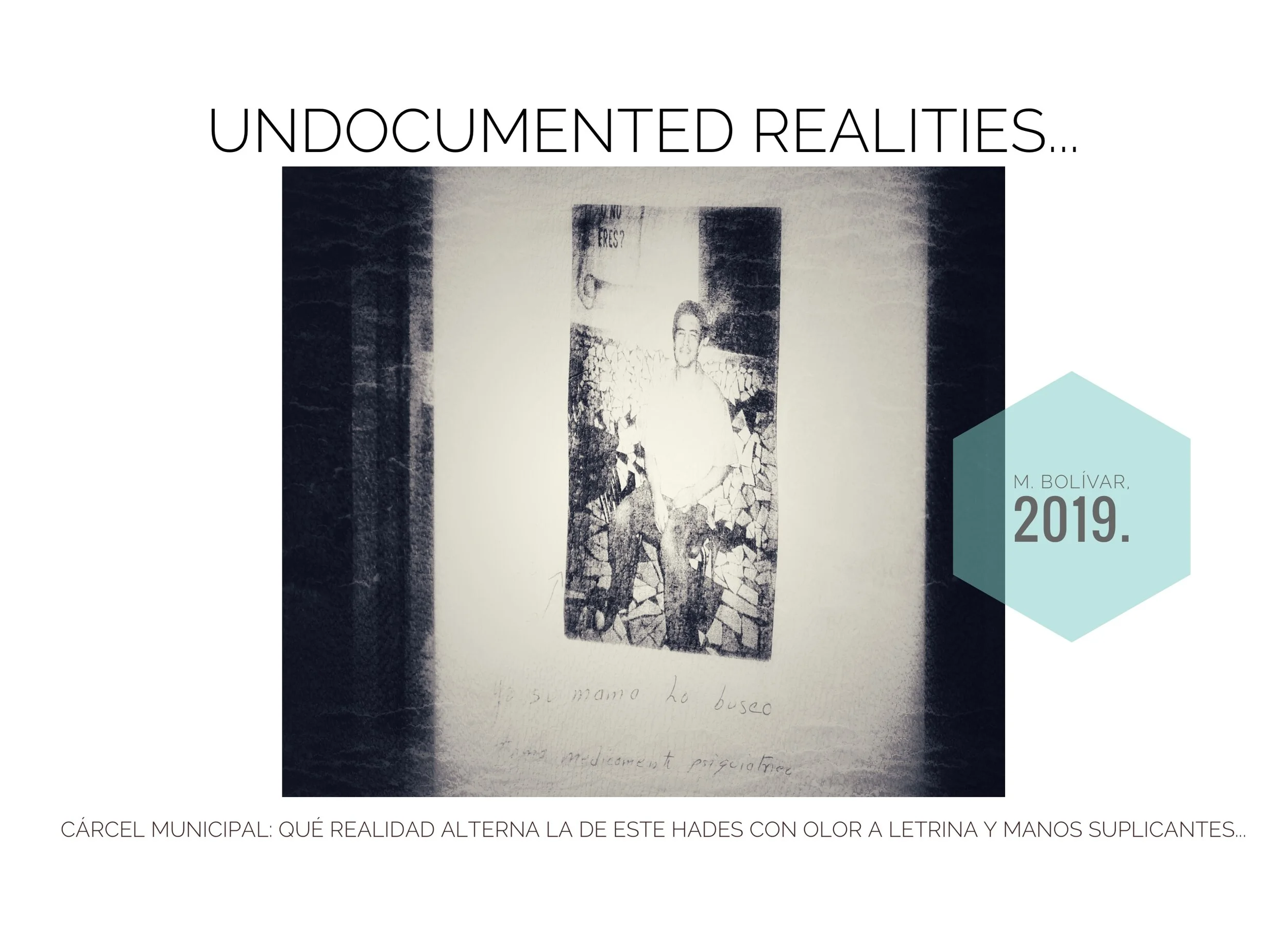


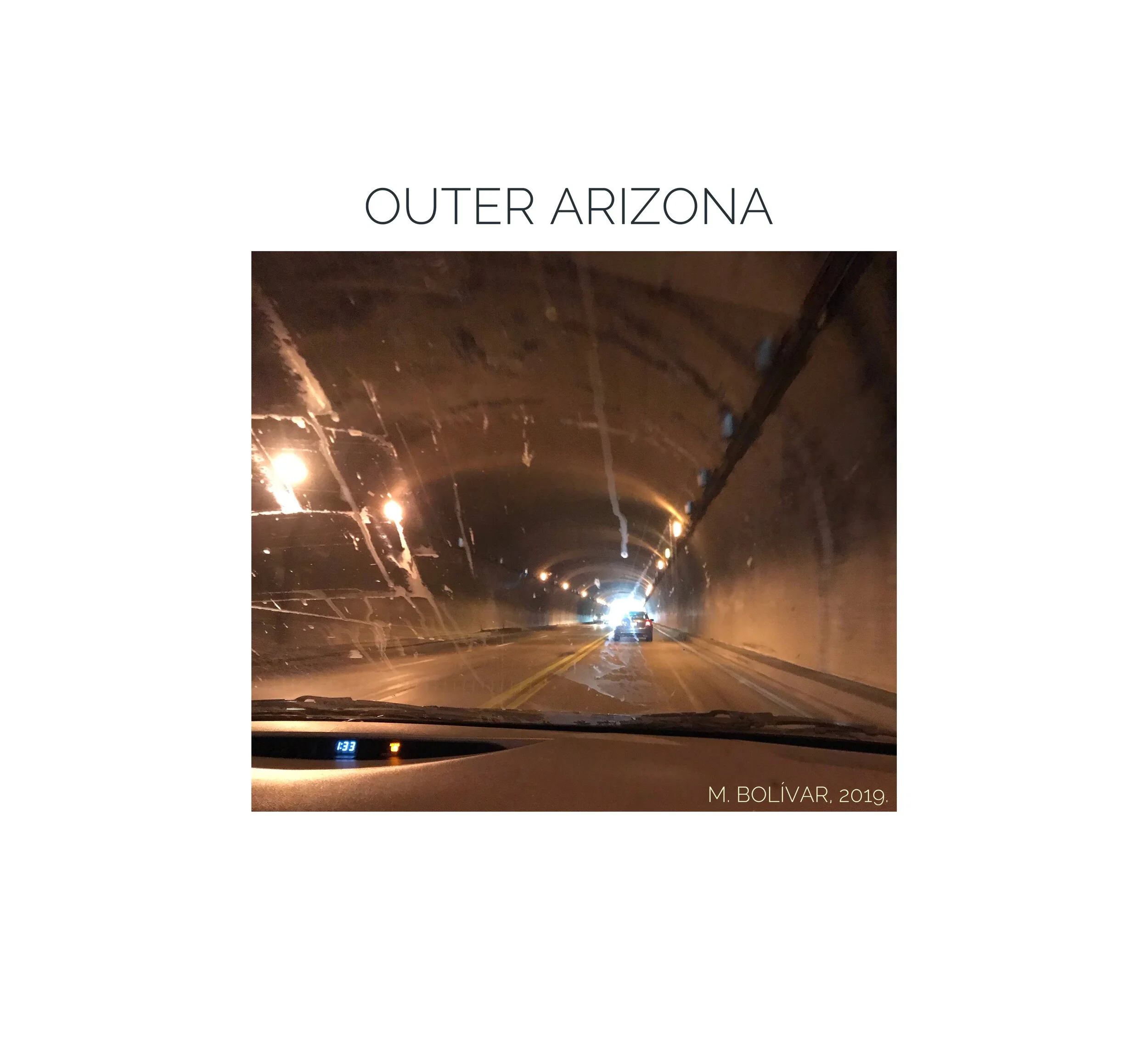
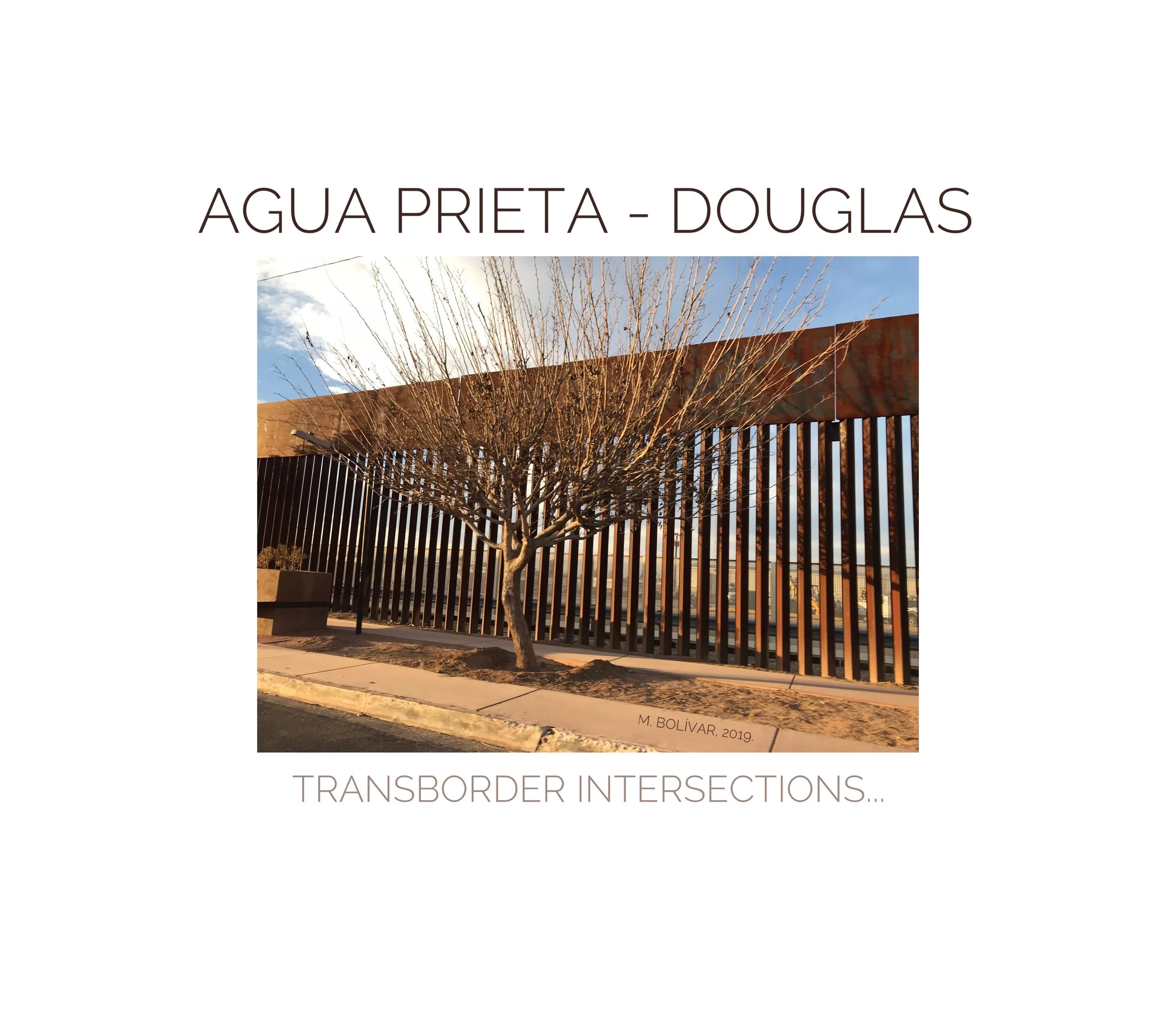

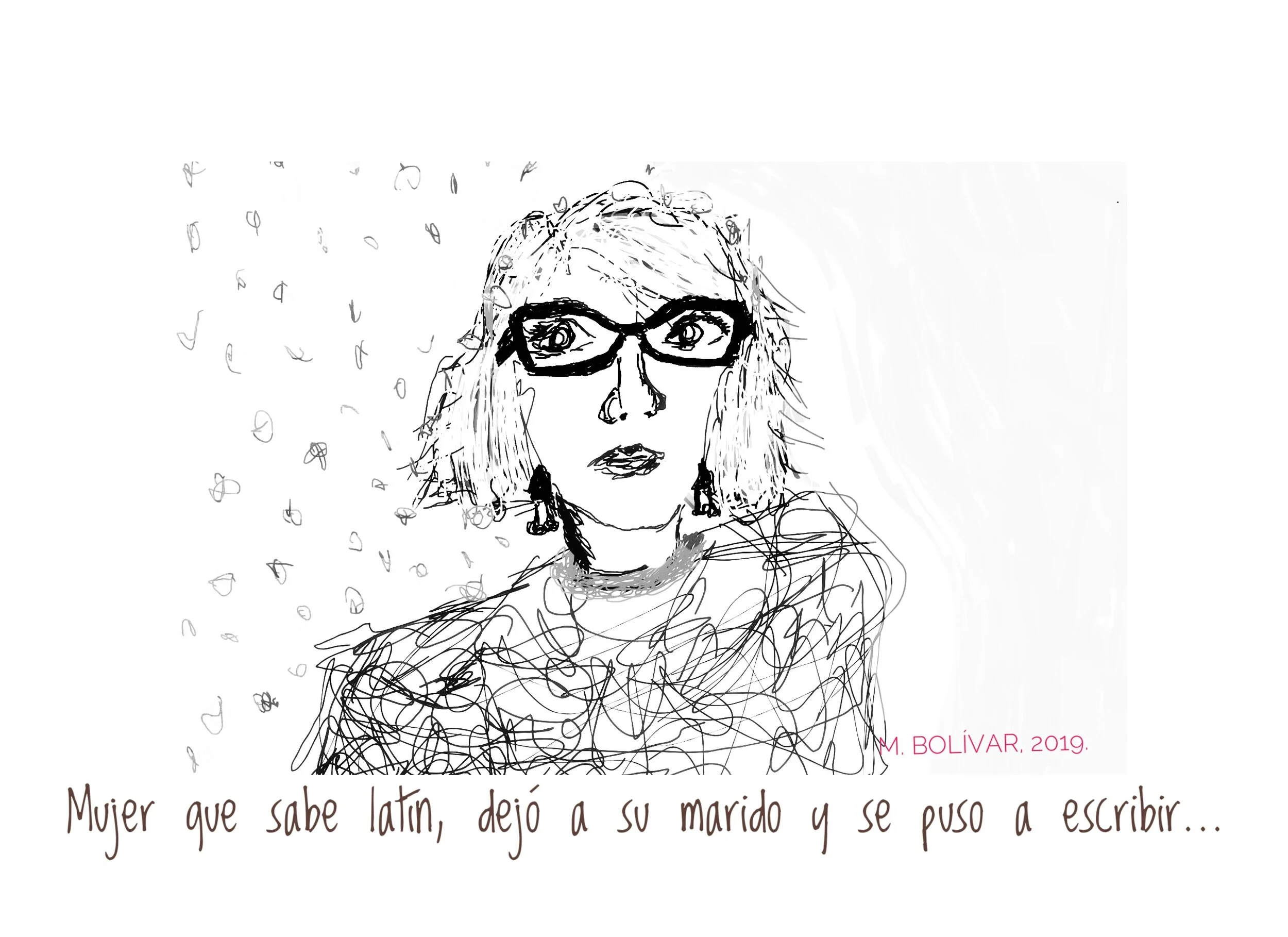


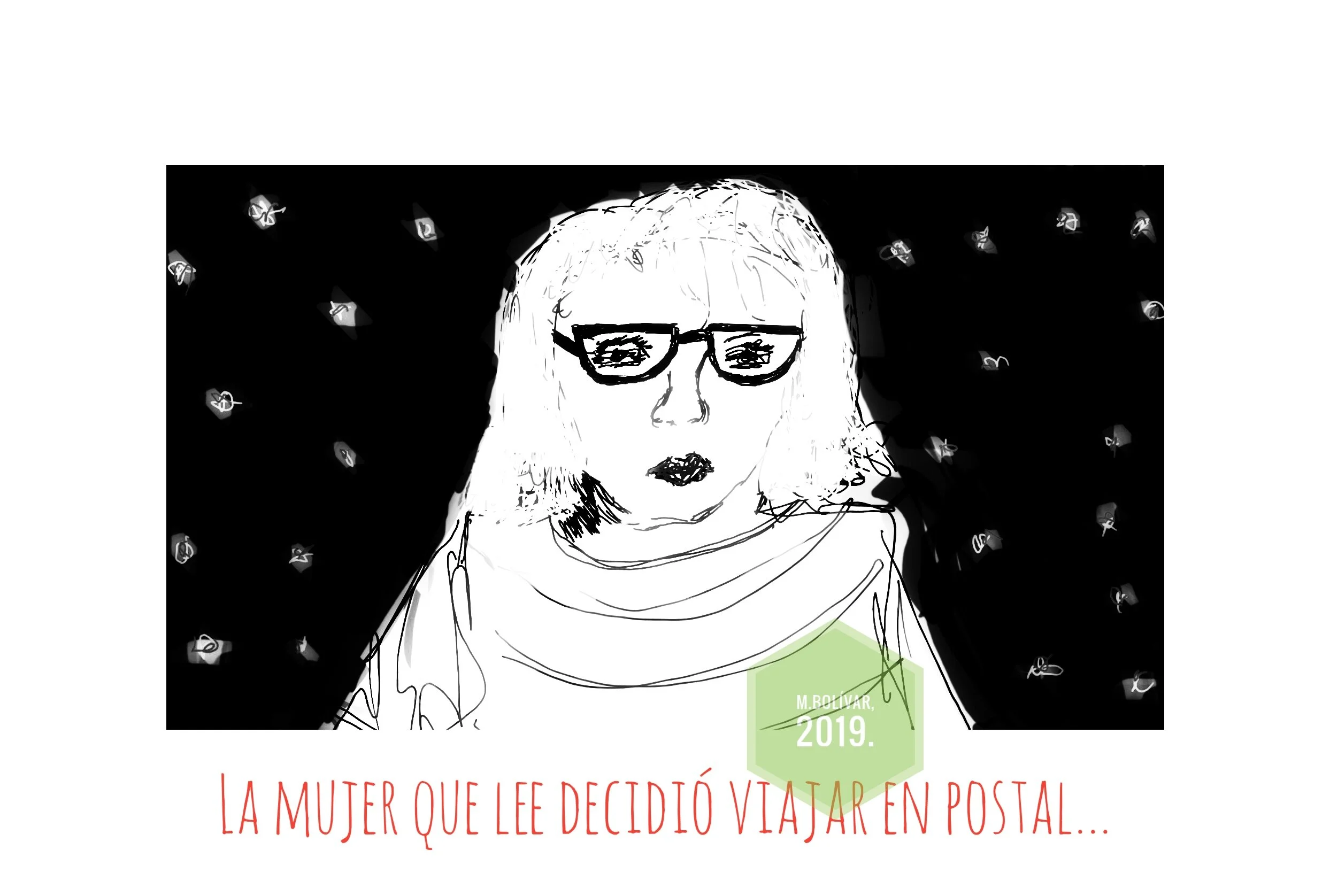
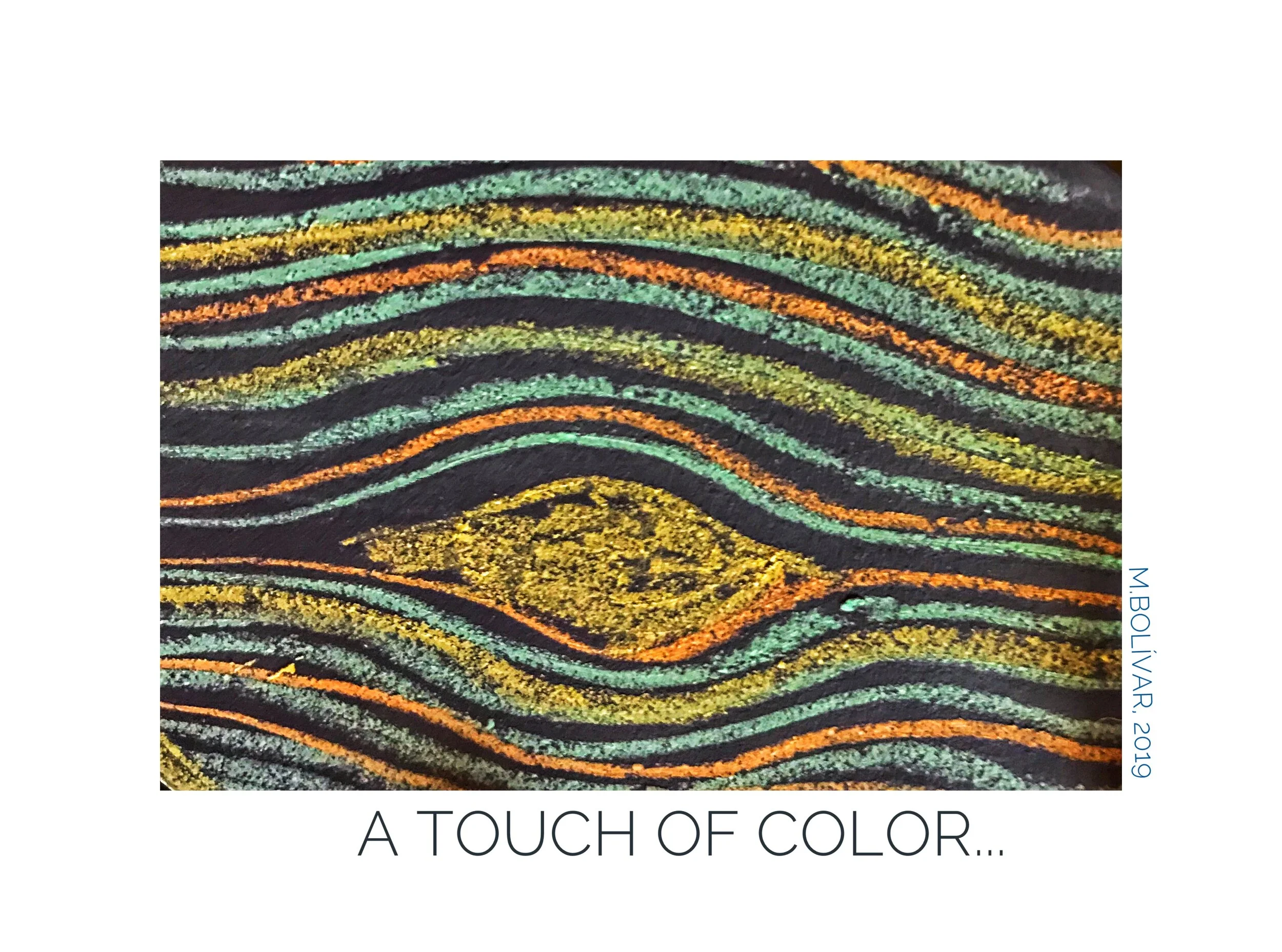
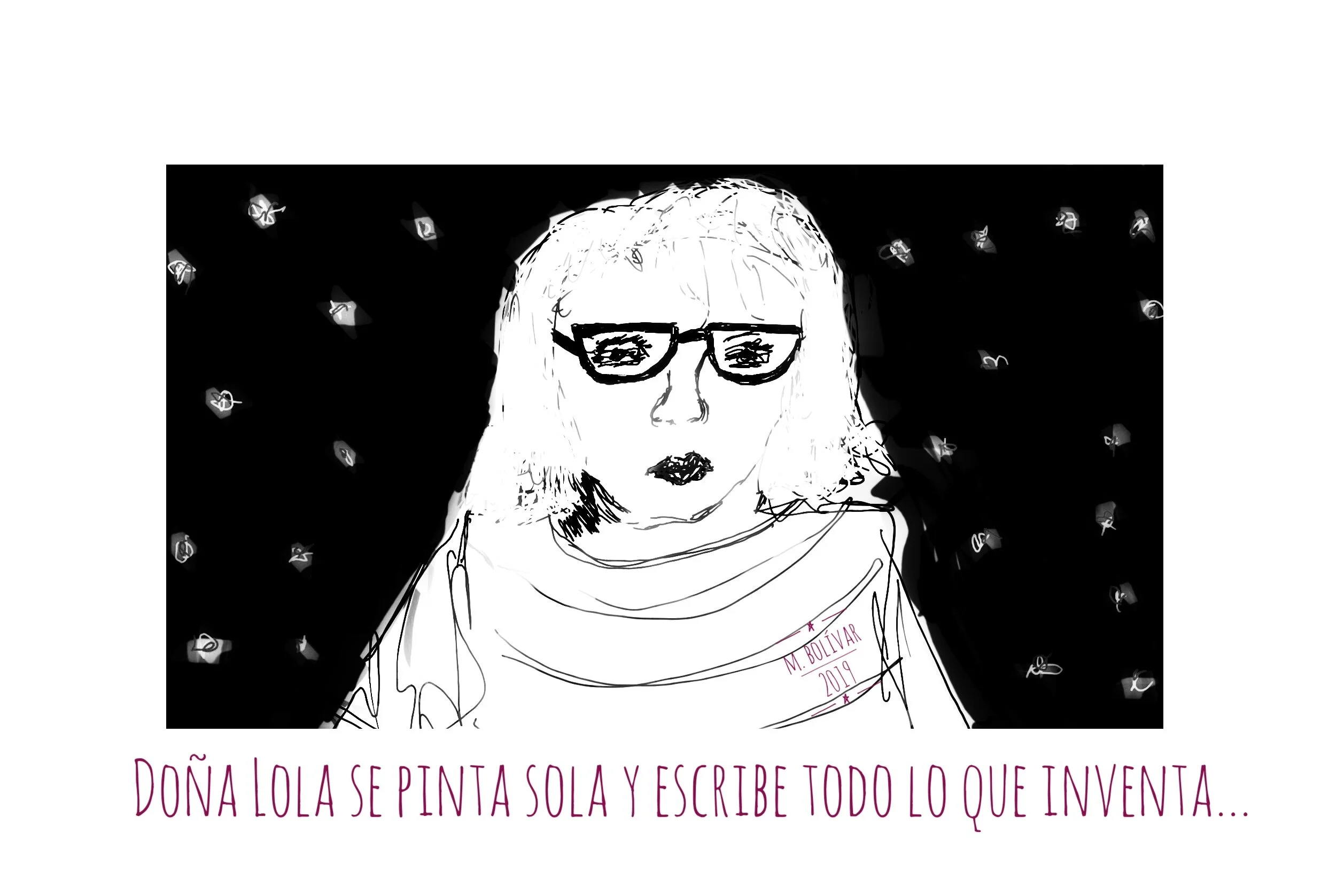

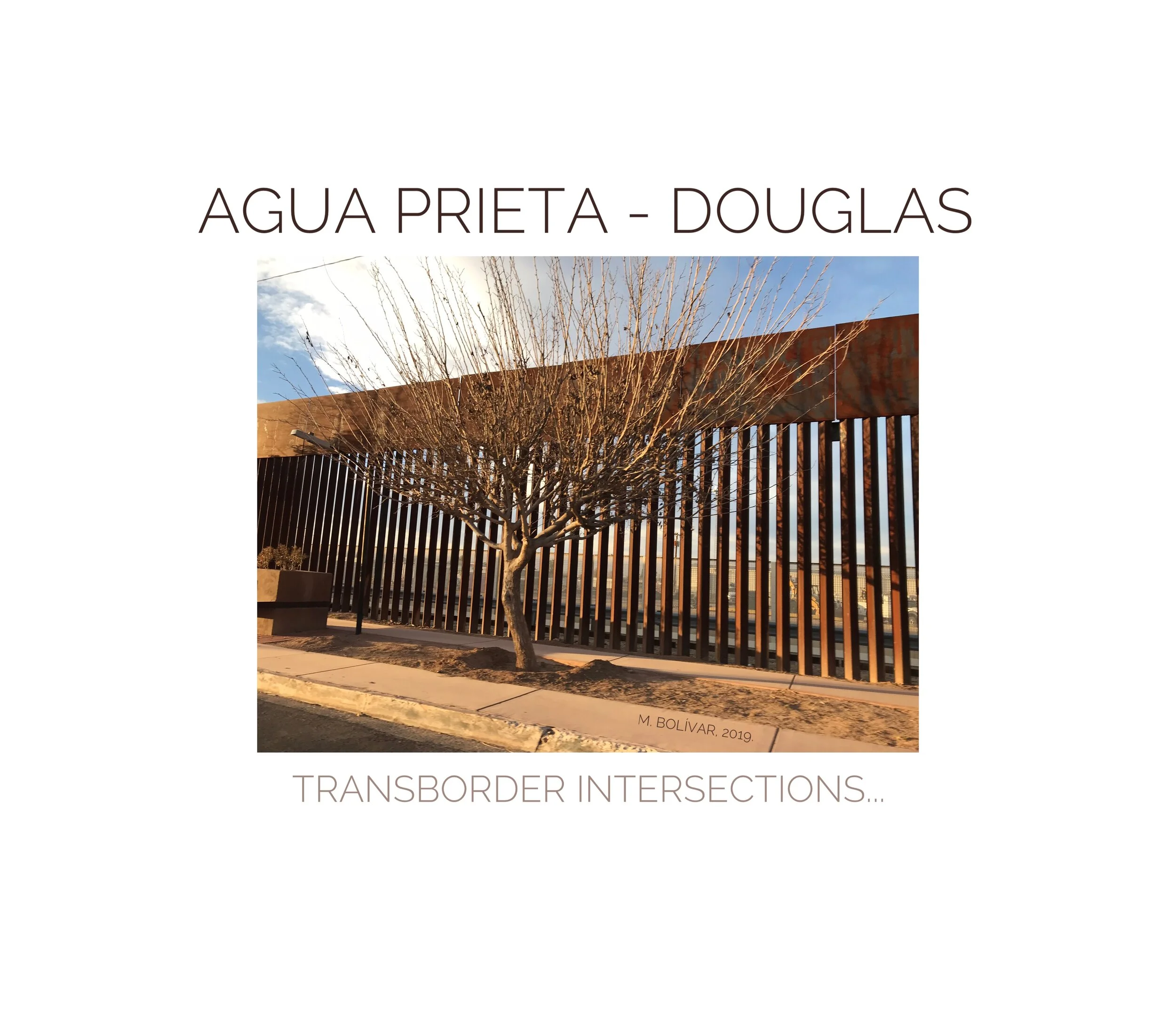
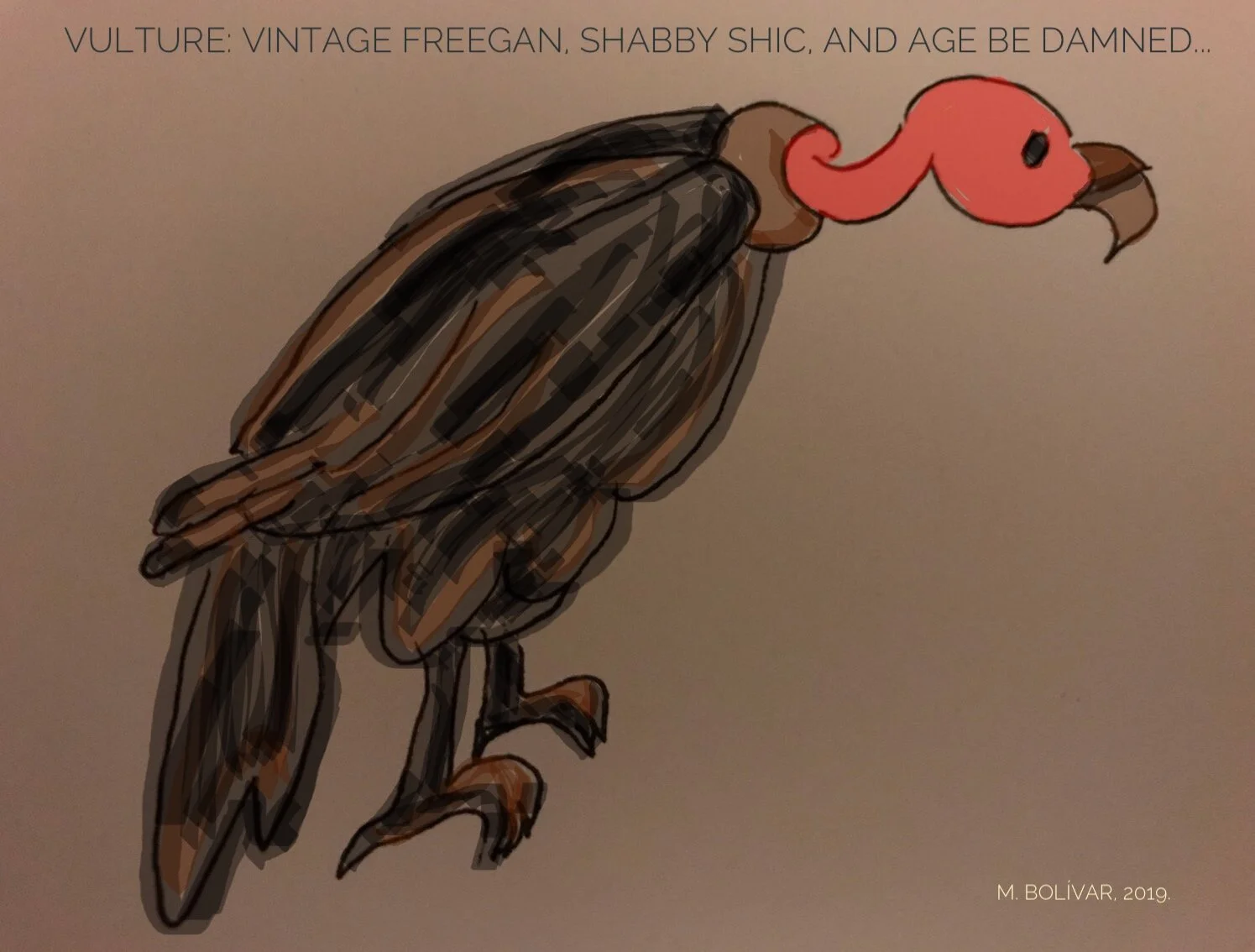
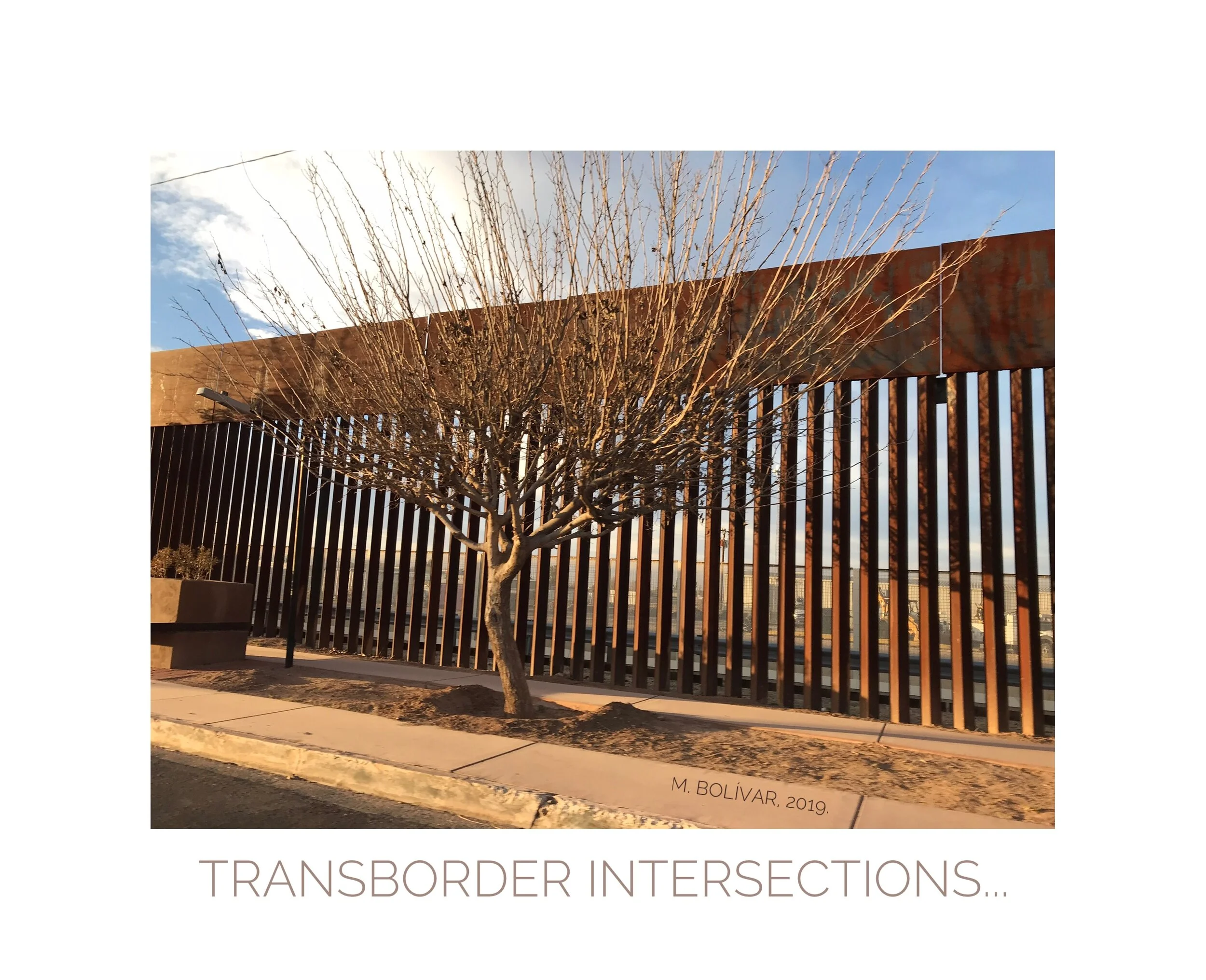

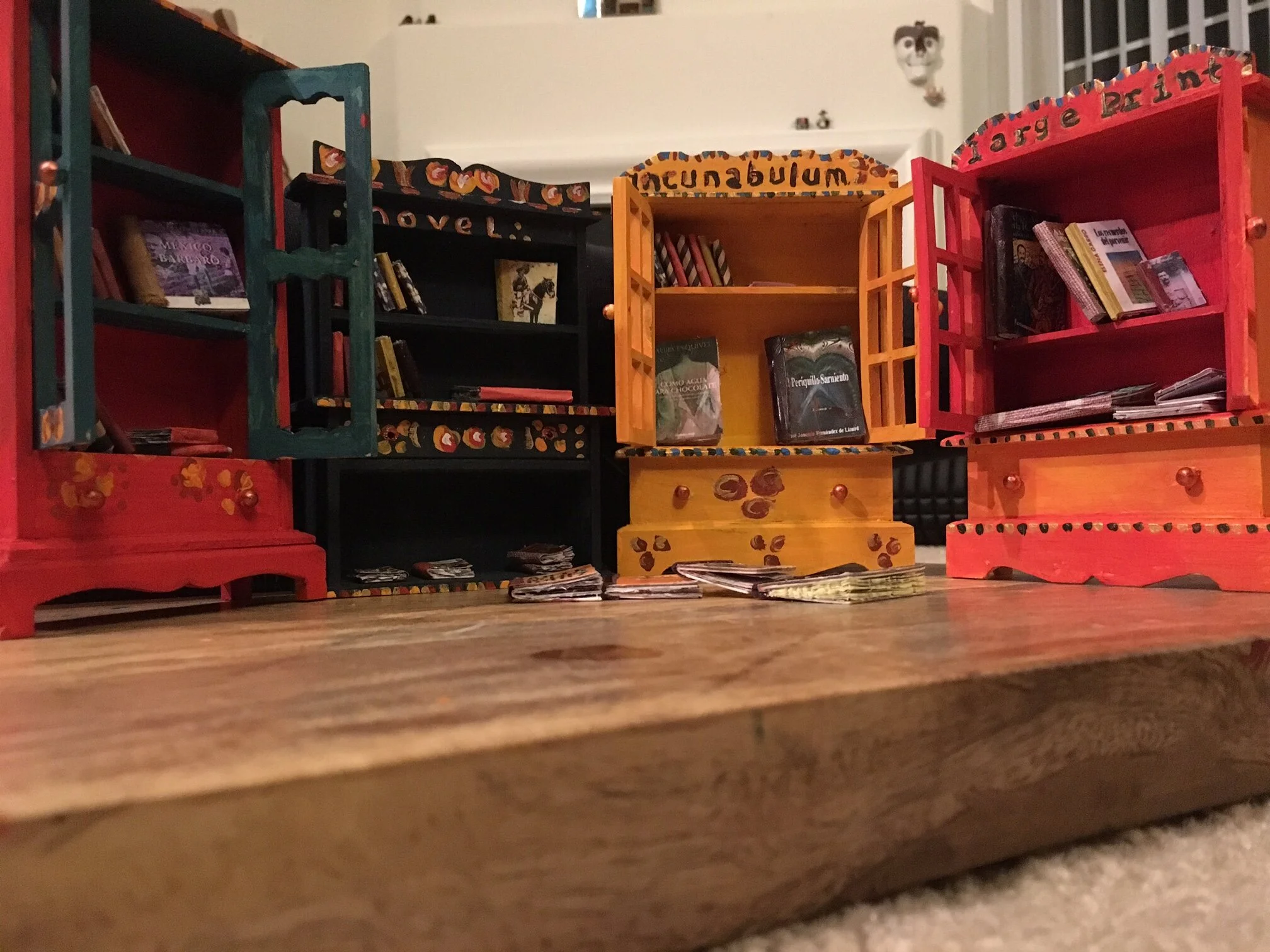
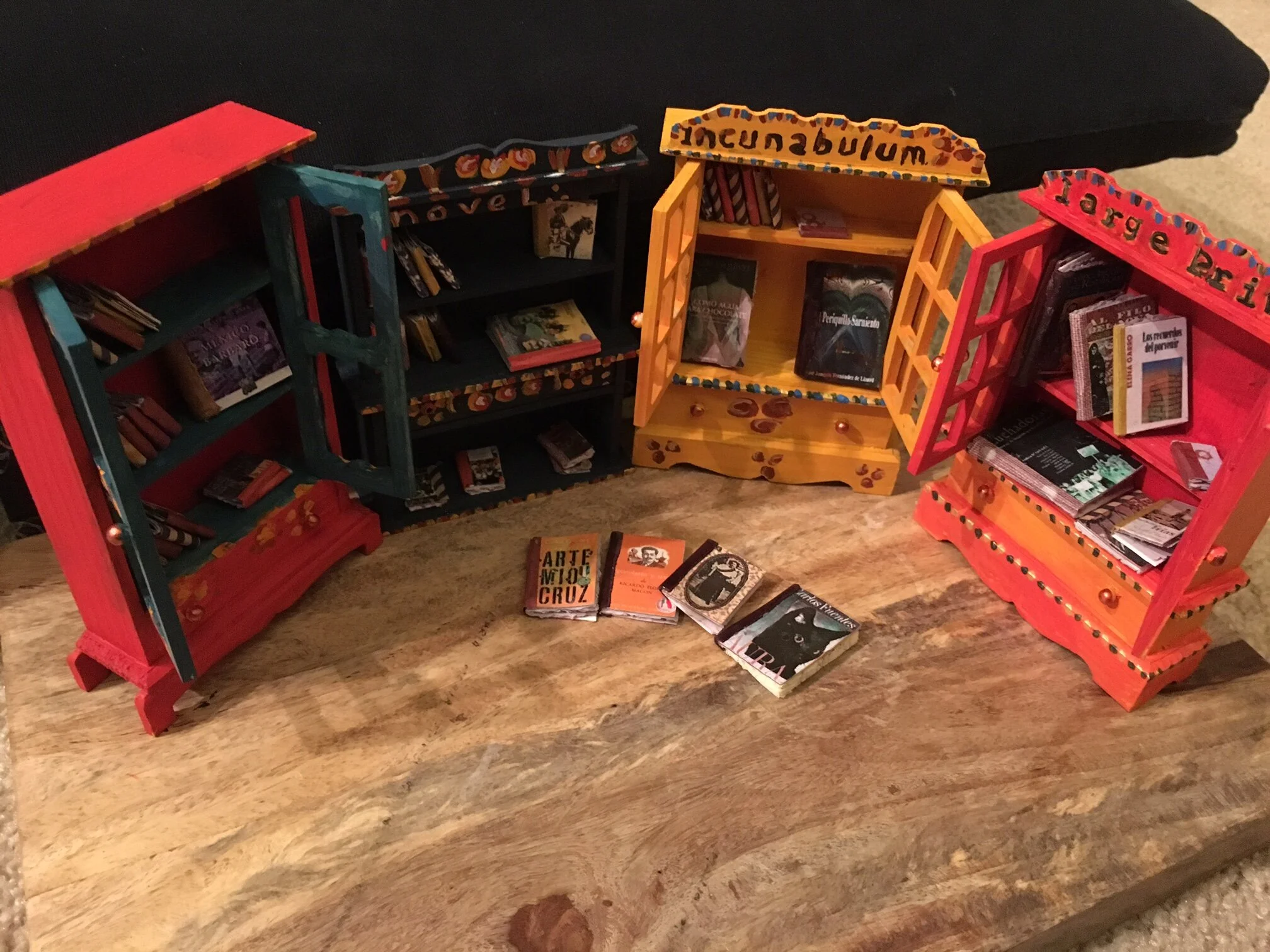
Madrecitas 2016. Fallbrook Public Library
Madrecitas is a small format art exhibition originating in the Mexicali/Calexico area. In 2015 I contributed my collection of miniature hats to Madrecitas. This year I had revamped my miniature book collection, first appearing as part of my Museum in a Box piece, selected to participate in the Student Art Exhibit at the Mesa College Gallery, where I was getting my Museum Studies Certificate, in 2009-2010. So the collection travelled to the “Madrecitas” Fallbrook show, that year curated by artist Daniel Márquez.


The Interview/Entrevistas
Mis entrevistas con él son mi tesoro, el recuerdo de encuentros destinados a perdurar./ The year 2000 I was working as a journalist, writing an average of 1200 words per day. I was able to interview artists, writers, intellectuals. This is the year to harvest. Many of those friends I had the fortune to meet are gone. The Pandemic took many of them. My cue to build this site.

Zacatecas, 1999. with Augusto Monterroso.
How did 1999 become such a far-away date?
The year 2000 I traveled to Zacatecas. I convinced myself that being in Mexico for the entre siècle was the thing to do. Don’t ask me how I ended up celebrating the date at my roof top, looking mesmerized at the fireworks (I hate), and wishing I was back in the States, siping a glass of French Champagne.
I was working as a journalist, at the time, writing an average of 1200 words per day. I guess that was my ticket to moderate a workshop on creative writing where the main guest was Tito Monterroso, a well known writer, perhaps the only one similar in stature to Jorge Luis Borges. Peculiarly enough, he was there to listen to local writers, rather than to share his fabulous writing with them.
His sense of humor, his endless creativity and social spark made that otherwise odd activity one of the most pleasant experiences in my life. Monterroso and I were there to listen to a group of about 25 to 30 new writers who picked their best stories to share. It was not all as painful as embarrassing. I thought a better use of Monterroso’s time would have been for us to listen to his stories, or at least to his suggestions on how to write better.
The best moment of the night came after that long journey. I had a conversation with Monterroso and Barbara Jacobs, today his widow, and we just talked and talked, for a long time.
I had met Monterroso in Mexico City, at the house of our dear friend Elena Urrutia. I was late for our lunch meeting, as my taxi driver took a long route. When I came in, I was sweaty and nervous. I shook his hand and introduced myself as María Dolores Bolívar. “José San Martín” he replied. Once I sat down, Elena asked him… “Who did you say you are, Tito”… He said. “I felt my last name was not good enough for someone named Bolívar. And that opening line marked our new friendship.
Monterroso passed away on February of 2003. That year I was already back in San Diego. I remember the time spent in Zacatecas with great joy. This picture you see captures the moment and the joy, no doubt about it. I do not know who was the photographer, but I will be forever grateful for the wonderful pic.
Entrevistas
Lee:
La urgencia de recuperar estas entrevistas que vivieron en la realidad fugaz de los diarios me ha acompañado en los pasados veinte años. Dispersos, atesoradas entre las fibras virtuales de mi computadora, de la Internet, estos encuentros viven en mi memoria, ante todo, en el corazón, entre lo que va conmigo pese a las muchas mudanzas y viajes. de vida. La Pandemia se llevó a muchos de estos interlocutores y otros más se adelantaron en el viaje final por cuenta propia. Caer en la cuenta de que ya nos hemos despedido de muchas personas sin saberlo, animó esta tarea que espero que disfrutes y enriquezcas con tus comentarios. (2000-2003)
Amparo Dávila
Vicente Rojo
José Luis Cuevas
Emilio Carrasco

Fiction/Poetry
Que el poema o el cuento sean motivo para pensar, conversar, cambiar eso que queda por cambiar… sí, claro, palabras, estructuras, estética, pero también contenidos, mensajes, códigos que fluyan hacia otros tiempos./ I write to stage meaning, within the world and time I exist. There are no recipes, no rules, no grammatical autocracy meant to overrule the value of the stories we tell.
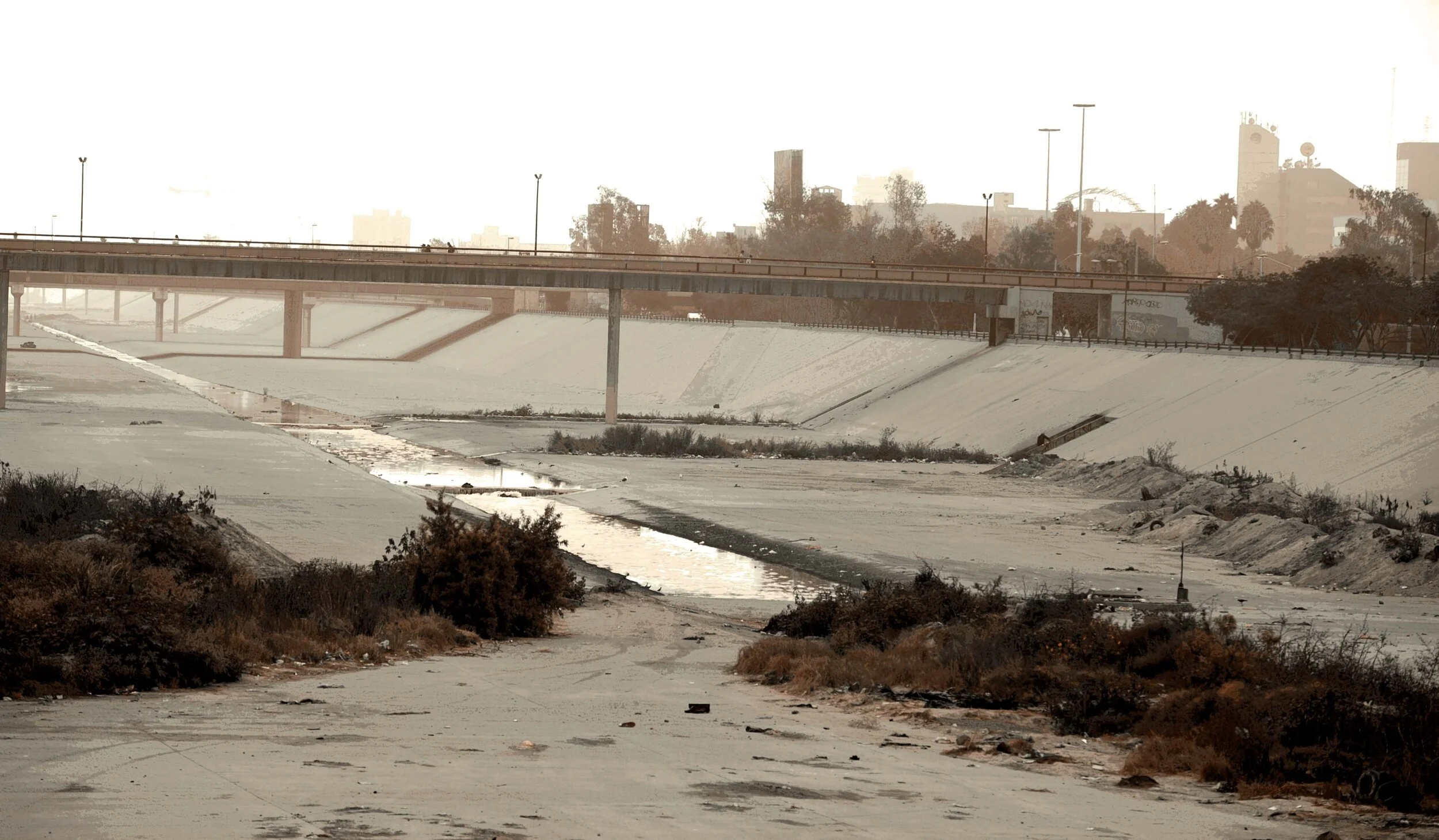
Río Tijuana. Un Aqueronte moderno y sórdido. Photo by María Dolores Bolívar.
Río, para después el mar. (Flow, inexorably out to sea.)
Many believe cities must have a river to be reputable; so it is not too far fetched to assume that there cannot be poetry without reference to one or more rivers. Río, para después el mar (Flow, inexorably out to sea) turns all rivers, real and mythic, into the needed tools to navigate through life.
Many of the poems in the anthology Río, para después el mar were published separately, so the cohesive idea in rearranging them together is the notion of a river that runs, much like inland waterways flow on to the sea. To grow up in Mexico City kept Bolivar from enjoying the abundance of rivers like Balsas, Lerma or Panuco. She felt deprived when facing the Seine or the Guadalquivir, knowing that Mexico City should have outshone Venice with it colorful and flowery canals, and all its liquid extravagance. Instead, Mexico City had all waterways channeled and its lakes and canals emptied.
In Río, para después el mar, the allegory of Acheron, the mythic river that divides life and death comes in handy to describe the border, where rivers flow moving sediments of sorrow; and where travelers drown, when waters rise; or are forced to dig themselves into the dry riverbed for survival. In Río, para después el mar, each poem is a raft or the rowboat that will help the reader reach the riverbank safe; survive the drought; be moved by the current.
¿The ocean? The ocean is a giant –a turbulent healer; the final thunderous peace. In Spanish the word río (river) also means to laugh; and laughter here is taken as a restorative and liberating force; one that helps travelers flow, and survive. Bolivar grew up far from el Chamizal –the utmost symbol of a shifting border-, but all her life she wanted to visit it. When she finally did, she understood, first hand, how much that arm of the Bravo/Grande, altered courses, defining a lot more than the individual lives/countries it touched.
* * *
Para muchos no hay ciudad respetable que no tenga un río; así que no resulta muy jalado asumir que no puede haber poesía sin referencia a uno o más ríos. Río, para después el mar (Flow, inexorably out to sea) vuelve todos los ríos, reales y míticos en herramientas necesarias para navegar la vida. Casi todos los poemas de la antología Río, para después el mar fueron originalmente publicados por separado, de ahí que para dar cohesión a ese re acomodo venga a colación el río que, desde tierra adentro, fluye hacia el mar.
Crecer en la ciudad de México privó a Bolívar de disfrutar de la abundancia de ríos como el Balsas, el Lerma o el Pánuco. El despojo lo sintió sobre todo frente al Sena o el Guadalquivir, sabedora de que la ciudad de México pudo haber superado a Venecia con sus canales florecientes y coloridos y toda su extravagancia líquida. Pero la ciudad de México entubó sus ríos y vació sus lagos y canales.
En Río, para después el mar, la alegoría del Aqueronte, el mítico río que divide a la vida de la muerte, resulta útil para describir a una frontera en donde los ríos mueven depósitos de dolor y guían a los viajeros ya sea a ahogarse, cuando las aguas suben; o a atravesar su fondo seco, para sobrevivir. En Río, para después el mar, cada poema es una balsa, o un barco de remos que ayudará al lector a llegar a la orilla, a salvo; sobrevivir a la sequía, verse arrastrado por la corriente.
¿El océano? El océano es un gigante -un turbulento sanador; esa paz tormentosa del final. En español la palabra río es también risa; y la risa aquí es fuerza restauradora y liberadora; es lo que ayuda a los viajeros a fluir y sobrevivir. Bolívar creció muy lejos de El Chamizal -el símbolo inequívoco de una frontera cambiante-, pero toda su vida quiso visitarlo. Cuando por fin estuvo ahí, entendió, en carne propia, cuanto ese brazo del Bravo/Grande alteran cursos, definen mucho más que esas vidas individuales o esos países que tocan.
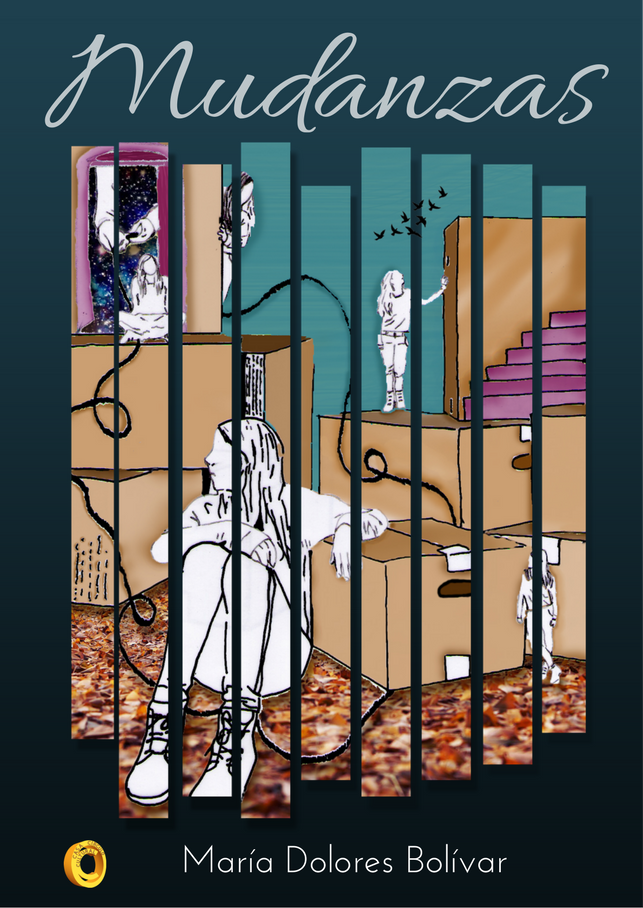
Mudanzas, empacar lo que no esté roto
(Moves, Pack What Isn't Broken -short story-)
A collection of short stories about moving, from house to house, and from country to country. Bolivar, an immigrant in the United States since she was a teen-ager, has made border living the all-encompassing theme of her writing. Bolivar contends her writing represents historic events inasmuch as real incidents tend to be recycled into fiction through storytelling. And as they leave the privacy of individual lives and homes, characters and stories become composites, reconstructed through memory and chatter; and more the work of collective imagination than individual craft. A journalist at heart, Bolivar claims that most literary work came about through the impact most stories have on the way people go through life with wide-open eyes. And as these stories help us retrace and understand the laxity and ever moving quality of that vast realm referred to as the border, they also reveal the normalcy that drives individuals to come and go, from side to side, as if no barrier or wall, or bilateral regulation ever stood in their way. Stretching through times and tales, Mudanzas helps you travel across the border at ease, knowing that each end of your path mirrors the other, somehow.
***
Colección de cuentos reunida en torno al tema de ir, de casa en casa de país en país. Bolívar, que inmigró a Estados Unidos siendo adolescente, ha hecho de la vida en la frontera el tema subyacente de su escritura. Bolívar sostiene que su escritura se entrevera con la historia en la medida en que la ficción resulta de la recuperación de incidentes contados en voz alta. Al dejar el círculo privado de los individuos y sus casas, los personajes se vuelven un compuesto reconstruido a partir de la memoria y las pláticas; urdidos más en base a la imaginación colectiva que a la talla solitaria. Periodista de corazón, Bolívar sustenta que el trabajo literario se forja a partir del impacto que las historias tienen en su manera de hacer que la gente vaya por la vida con ojos bien abiertos. Y a medida en que son los cuentos lo que nos ayuda a repasar y entender lo laxo y móvil de esa vastedad a la que se refiere como línea fronteriza, estos revelan también la normalidad que guía a los individuos en sus ires y venires, de lado a lado, tal y como si no hubiese barreras, murallas o reglamentos bilaterales que les estorbasen. Al recorrer tiempos y cuentos, Mundanzas te llevará a cruzar esa línea fronteriza con desenfado, sabedor de que cada extremo de esa ruta opera cual espejos cuyos interiores se reflejaran uno a otro, de alguna manera.